


My Visits: AgentHalogen_87
This was not the first time I'd visited AgentHalogen's collection, but it was the first time I documented one of my visits, with this particular visit taking place on the 14th June 2025. There are three storage areas for lanterns: a canopy area outside, a bedroom, and a shed. The irony of the sign on the front of the shed will be apparent in later images!

There are a number of things to note upon entering the shed area, the boldest being the Philips MI50 on a Stanton 10F bracket, which itself is attached to about a metre-and-a-half of a Stanton 10 series column. Beside it is another pair of Stanton 10 Series post-top column sections, with these being about a metre in height. The one with the 2600 in the linked image was given to me prior to this visit.
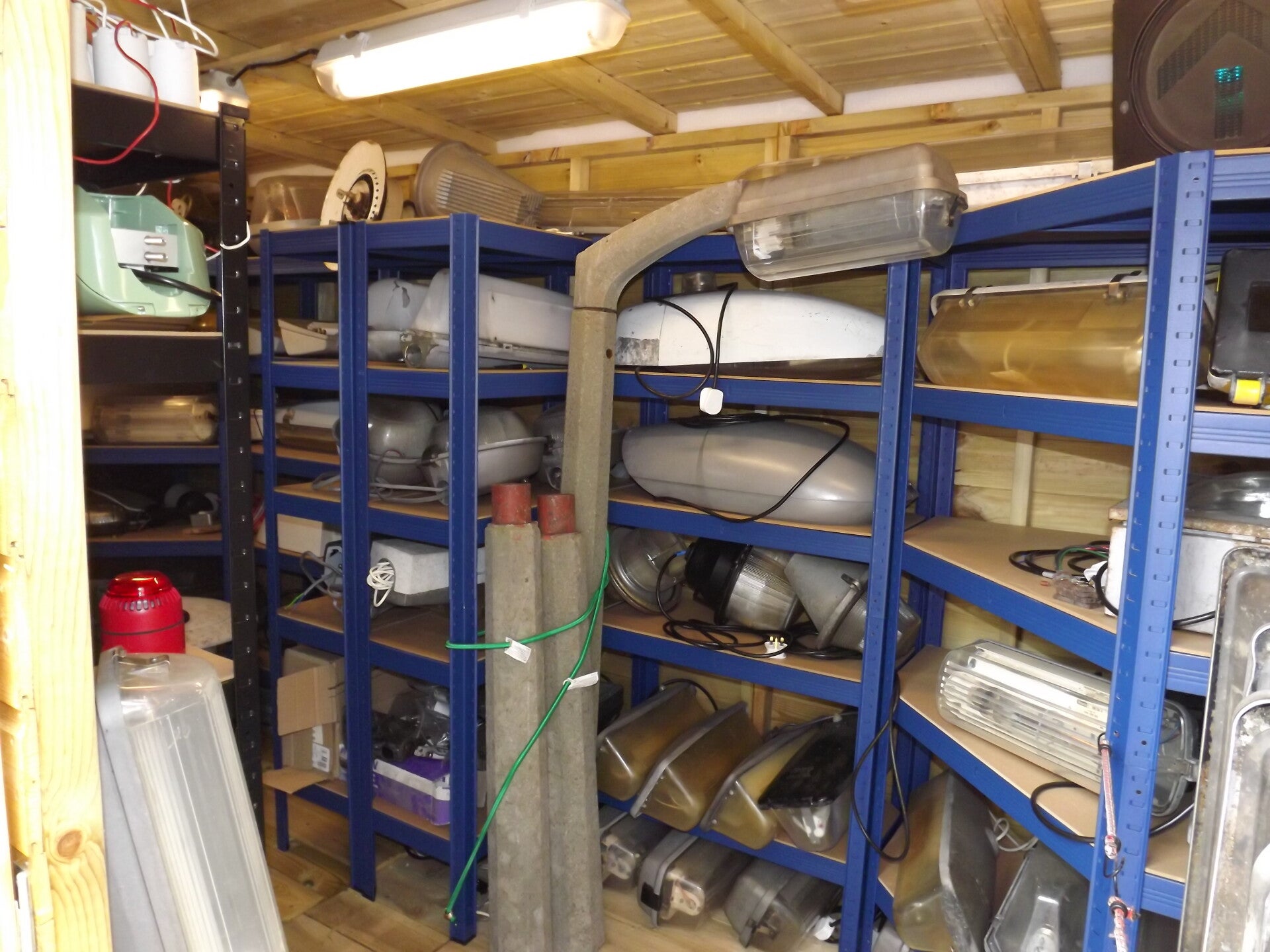
The corner shelf has a number of fixtures one it, including: a green arrow traffic signal, a pedestrian crossing button, a Simplex Aries 55 and an Urbis Limpet ZX2.


Despite having a ZX2 optic, the Limpet is fitted with a 50W SON-T lamp.
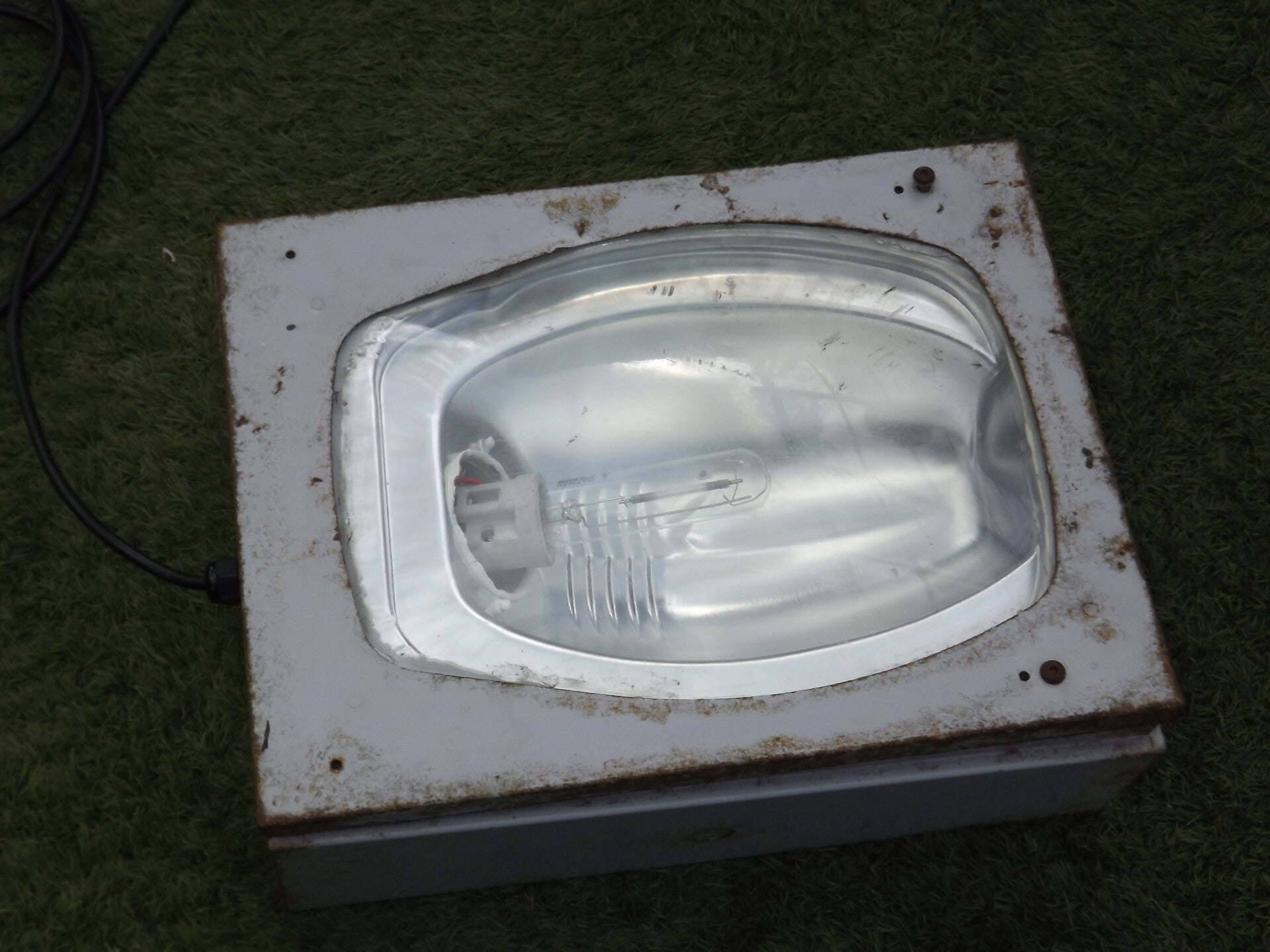
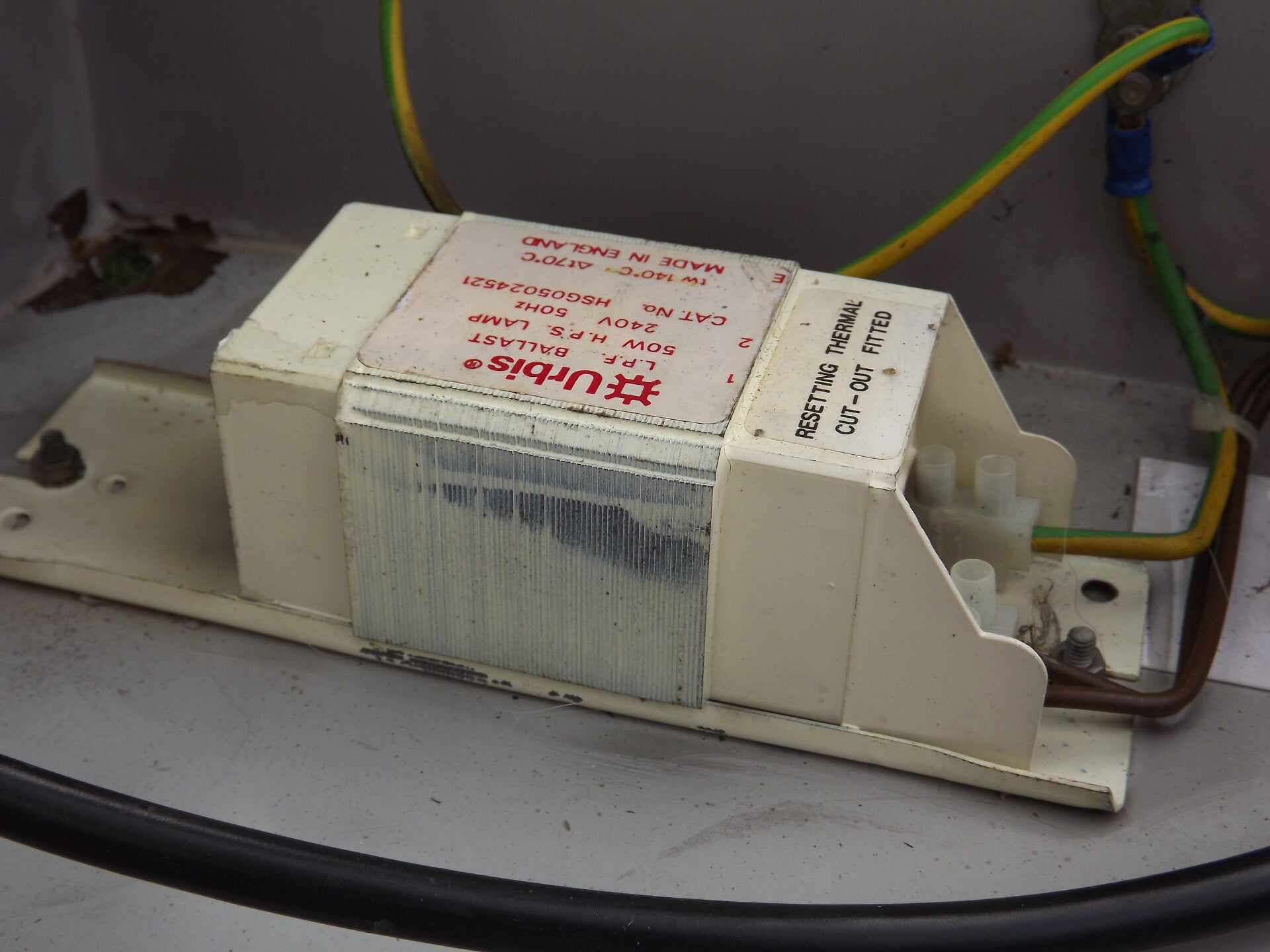
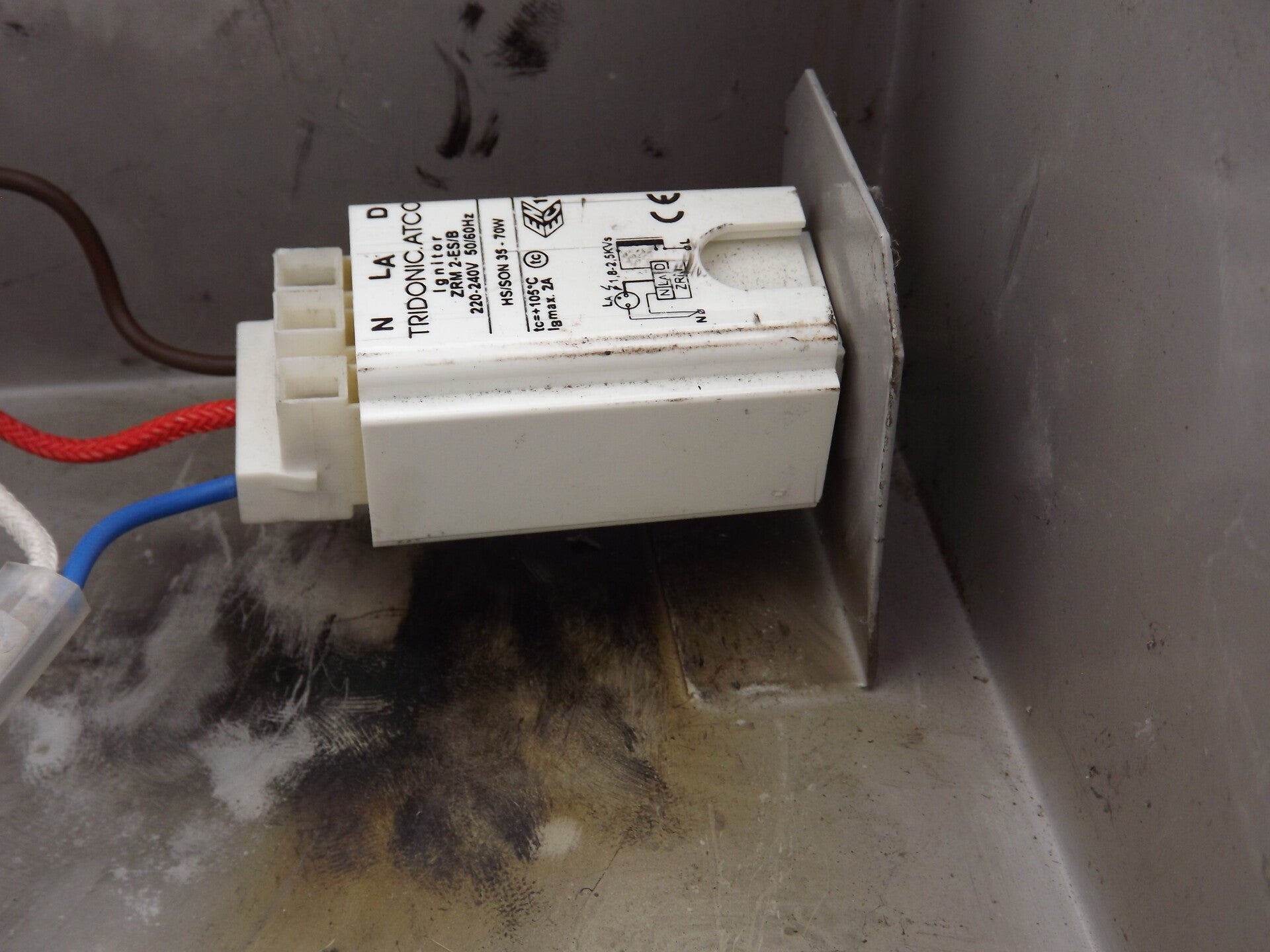
The identification-sticker is heavily faded, but "Limpet SEALSAFE" and "50W SON/T" are visible, confirming it was actually sold for 50W SON, and not converted later down the line.
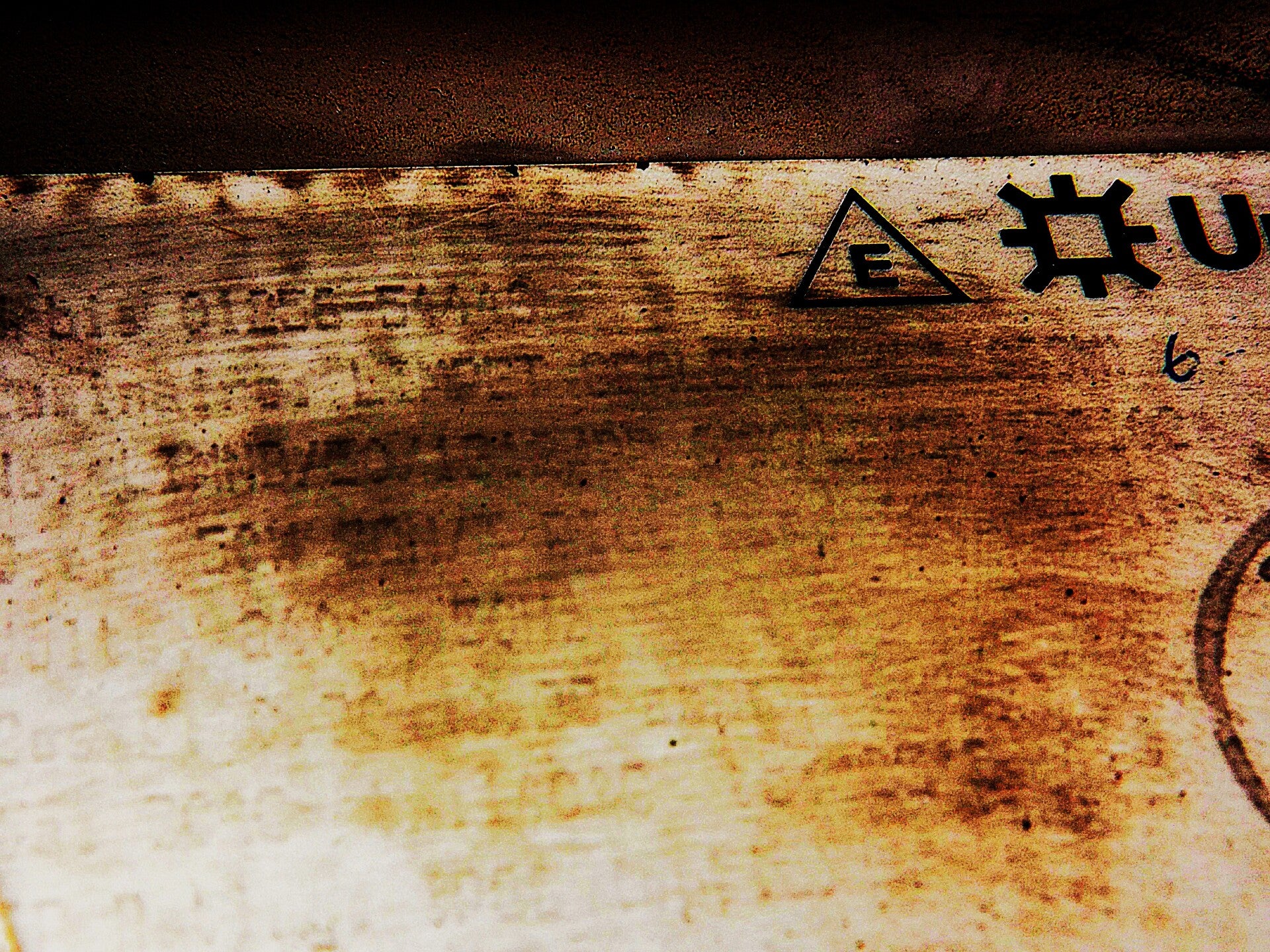

The limpet is an unusual lantern, and not everything is known about it yet. I believe the ZX2 optic version was the older version of the lantern, but later versions had a different body and a ZX1 optic (which was designed for anything up to 100W) so the ZX2 optic was not necessary given these were designed for mounting under (often low) bridges. It does make me wonder if the older version could go up to 250W or higher.

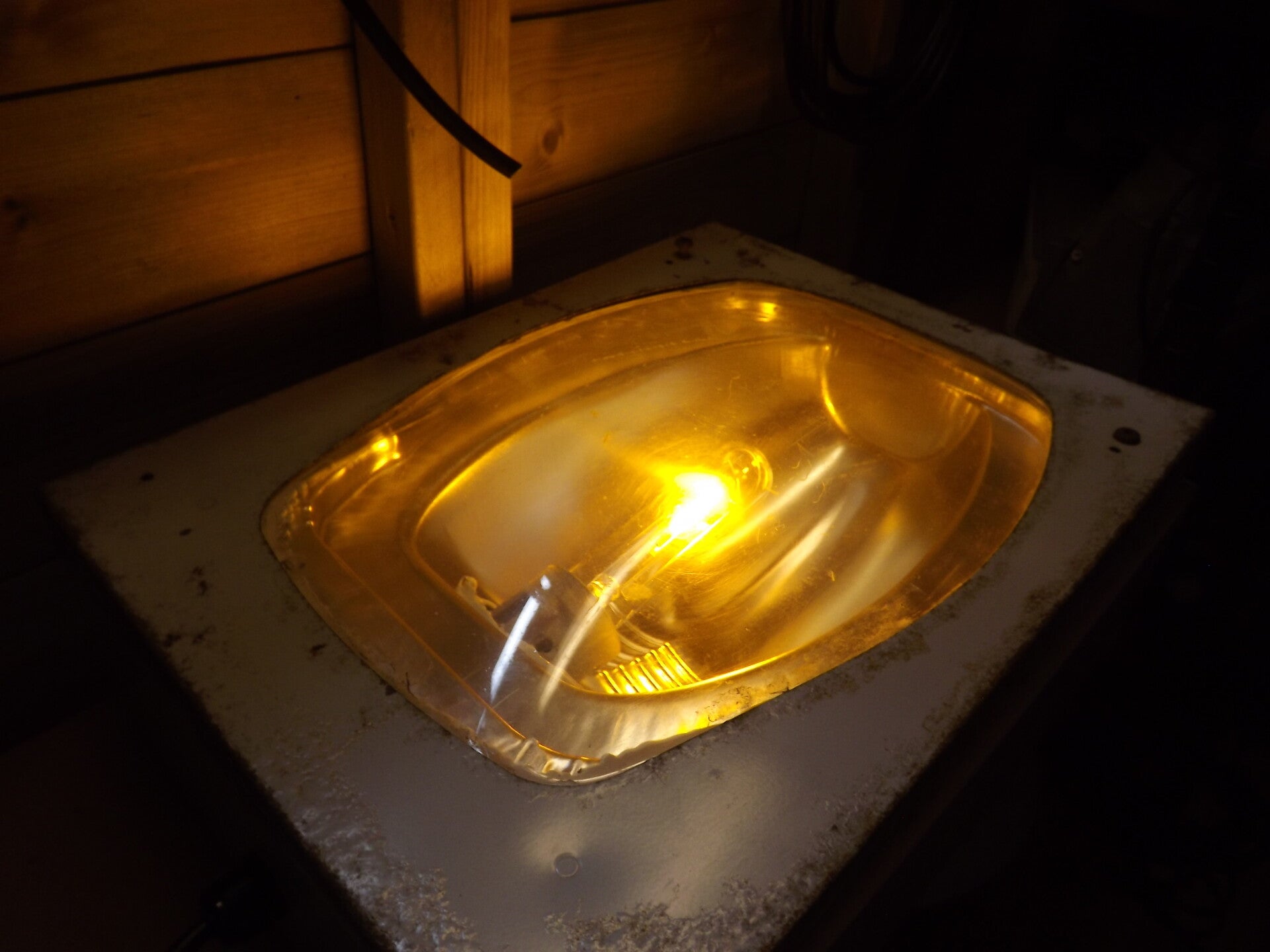
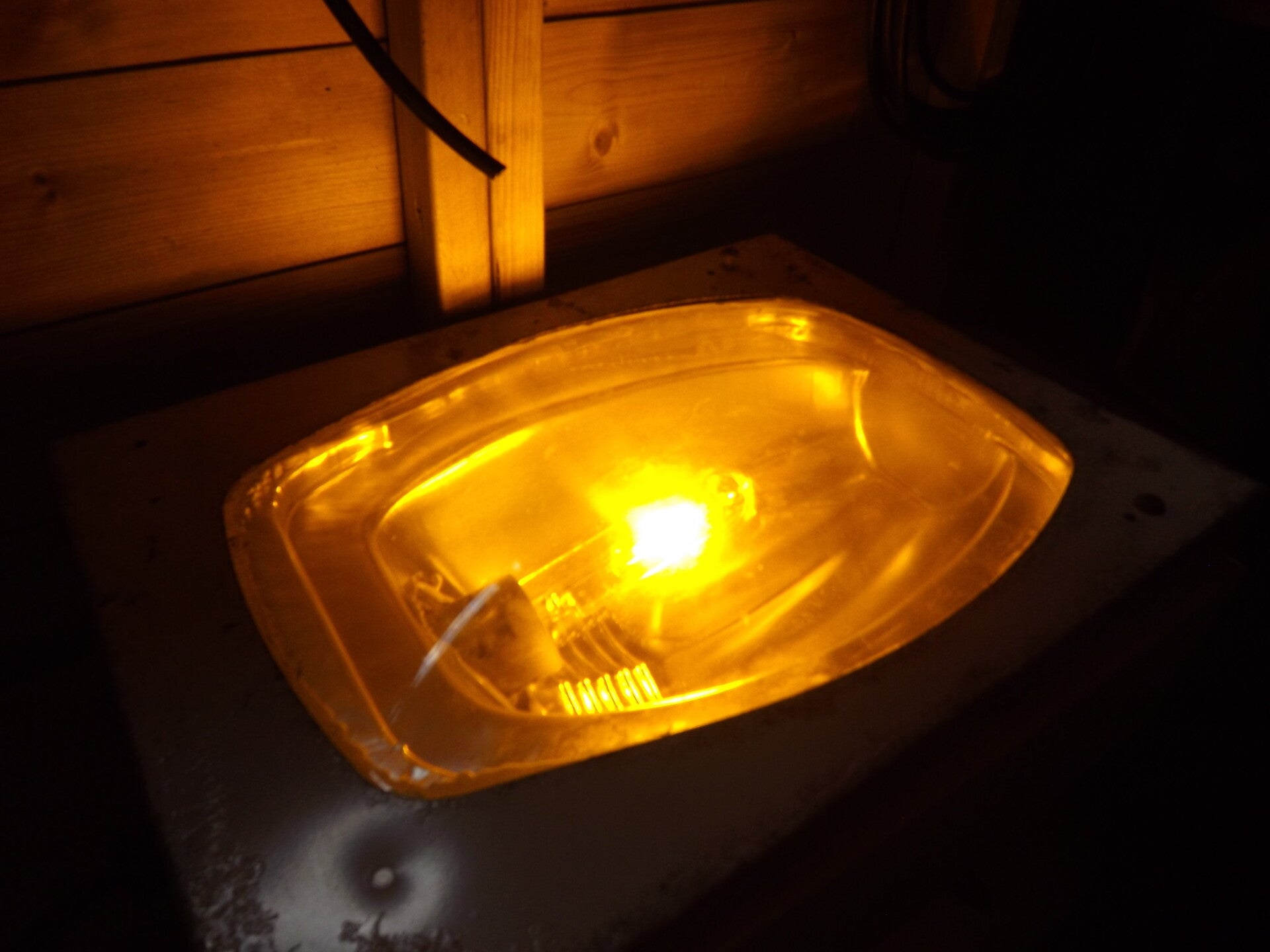


A top-entry Thorn Beta 5 was spotted lying on one of the shelves, one of 34 in his collection as of 04/12/2025 when I am writing this - It has its original (and still working) 1981 lamp fitted!


Another lantern to be photographed in detail was this GEC Z9450, essentially a Mk.1 to the Z9454, identifiable by its "stepped" canopy and wider bowl.


The lantern is fitted with a 90W SOX lamp.
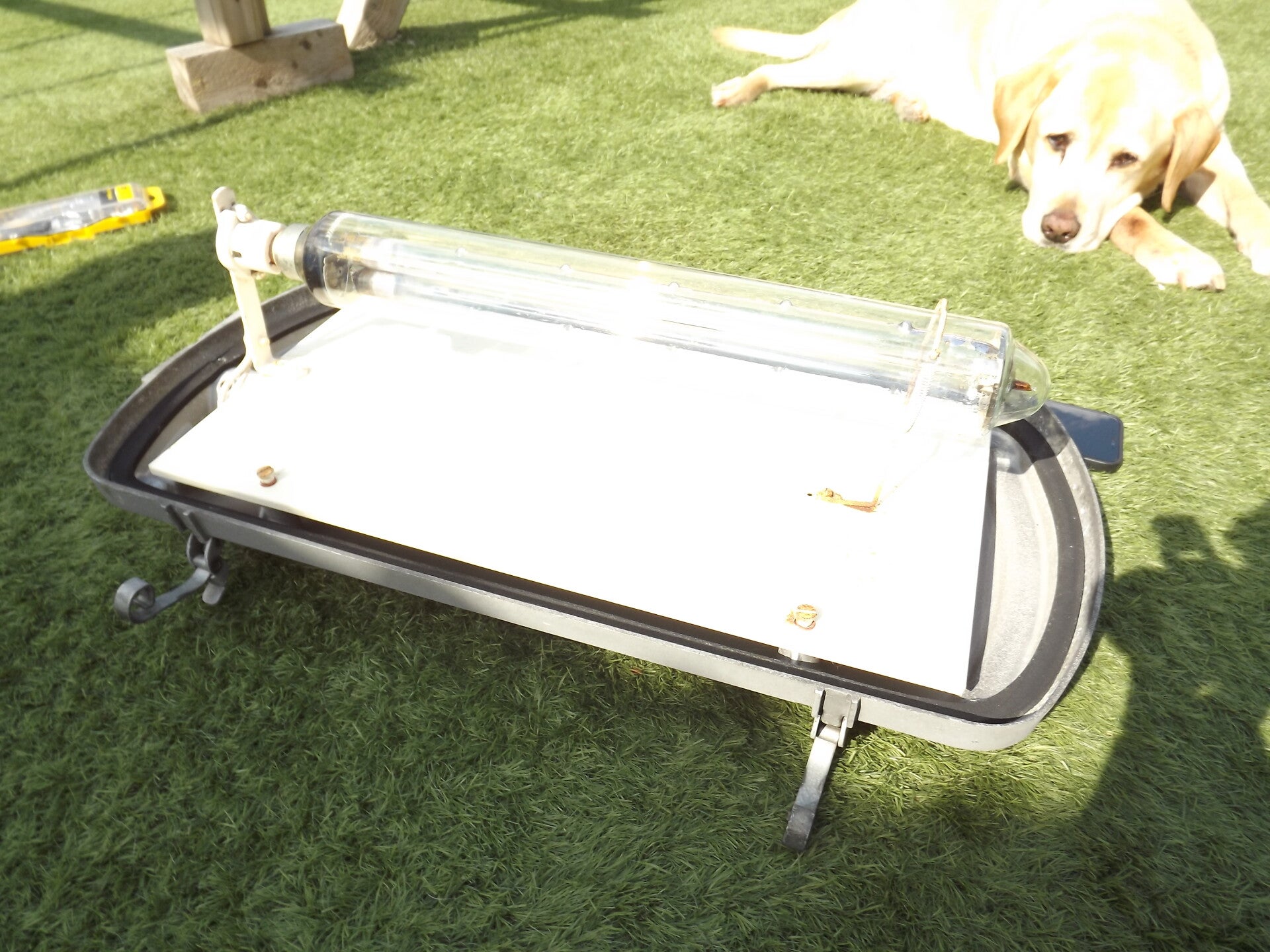


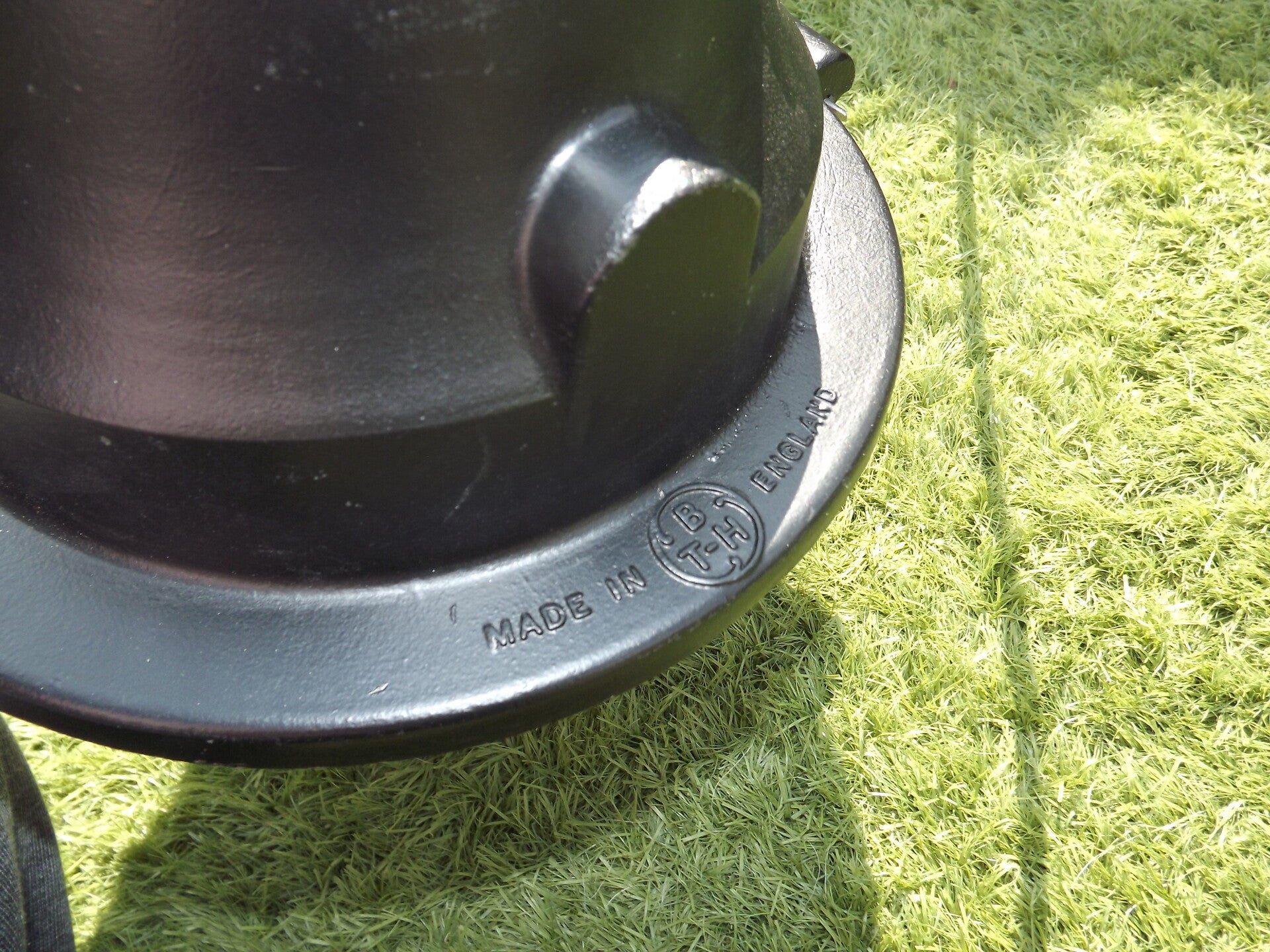
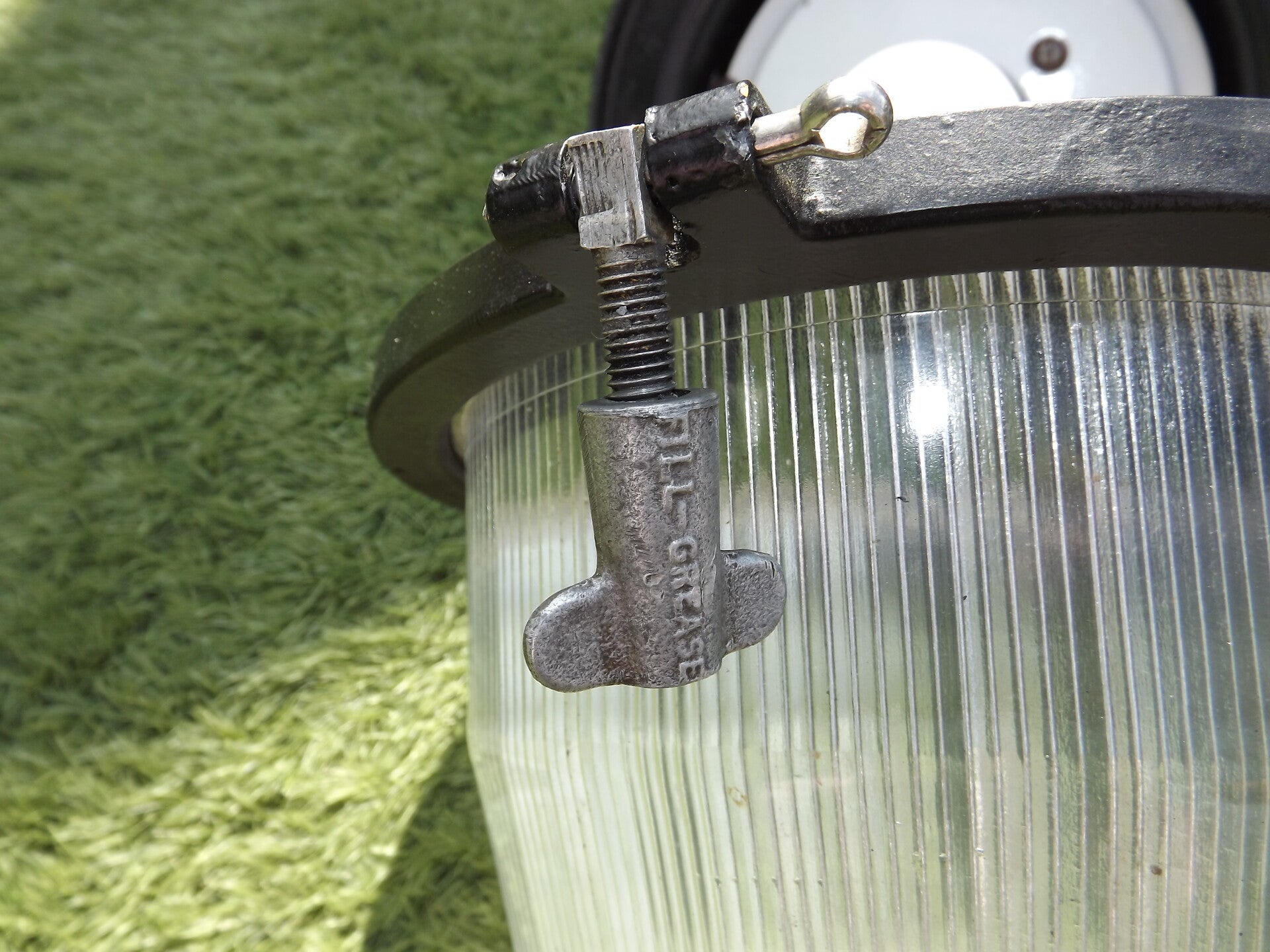
A pair of BTH lanterns were also photographed during my visit. First, a pristine BTH Urban Enclosed lantern. This version of the Urban enclosed doesn't appear in any known BTH catalogues or adverts, so it technically isn't known 100% if it is the Urban enclosed - thus the name "Suburban Enclosed" was coined for this particular lantern.



A wing nut is used to gain access to the inside of the lantern.

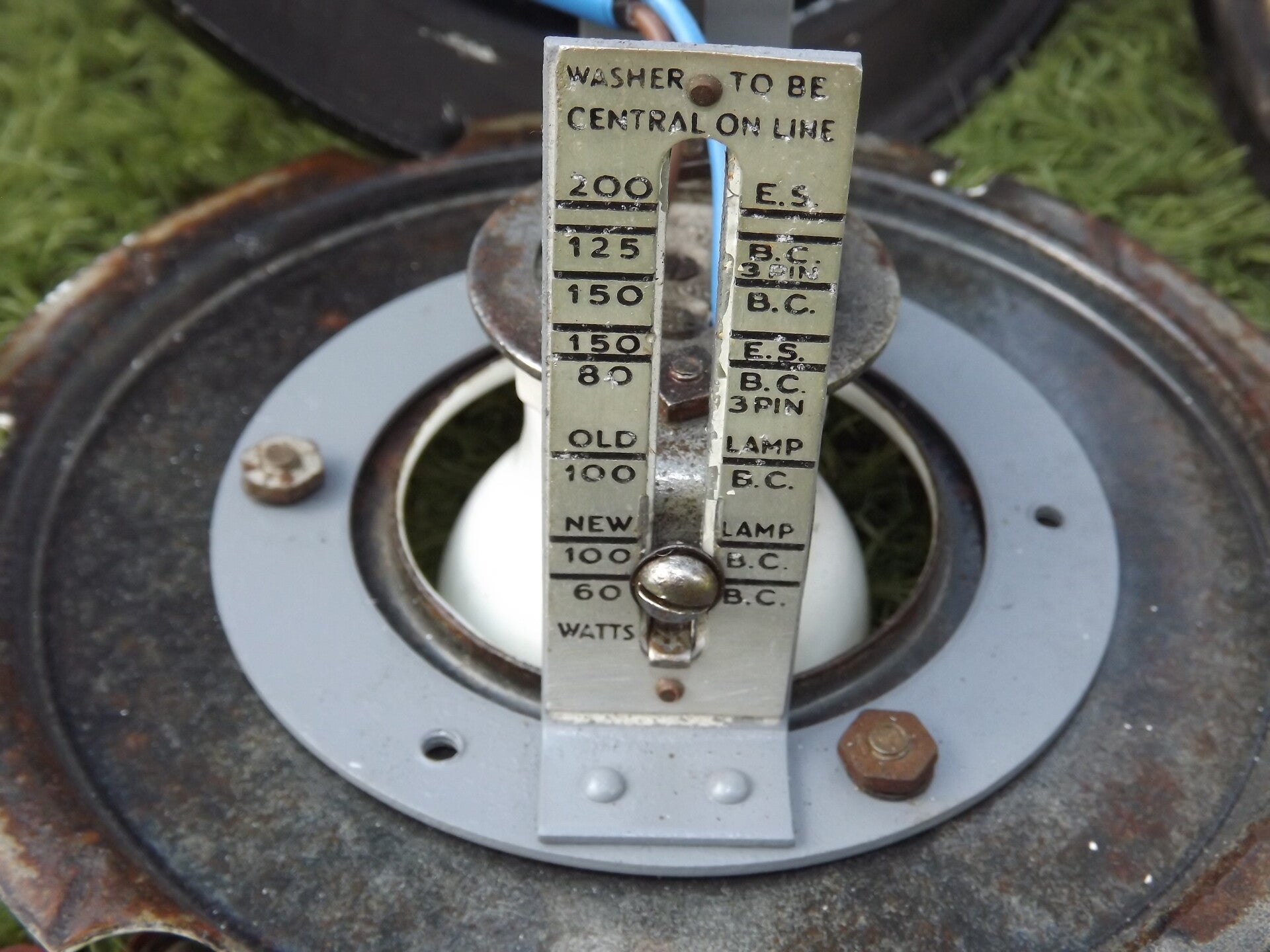
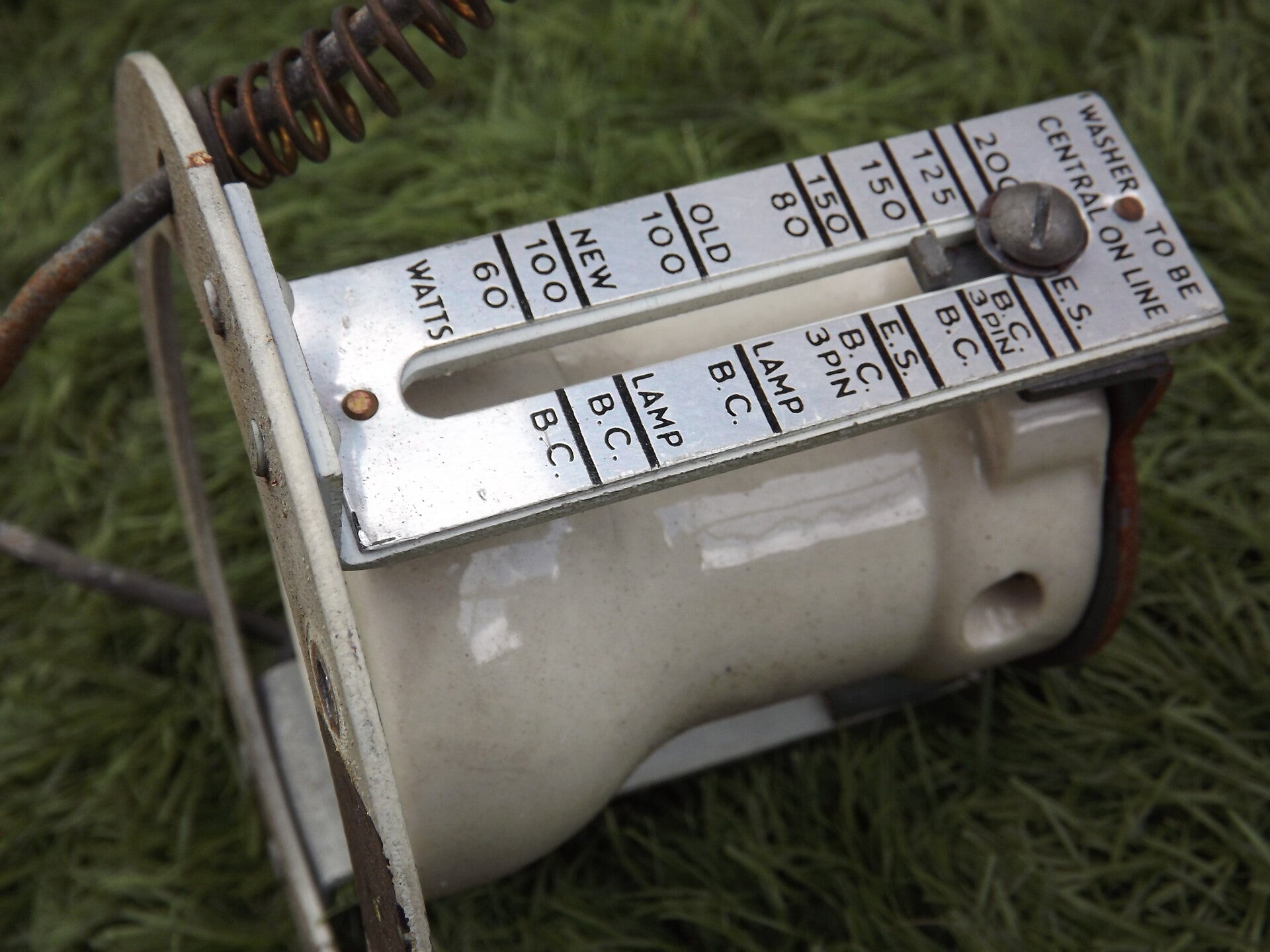
Inside, a very detailed set of mounting positions for the lamp-holder can be found. These include positions for 60W,100W,150W, or 200W GLS, or 80W-125W MBF - the lantern is set up to run a 60W lamp.



As well as one of the "Urban" luminaires, AgentHalogen_87 has one of the "Rural" ones - The BTH Rural Enclosed (now bearing more of a resemblance to the Rural Open!).
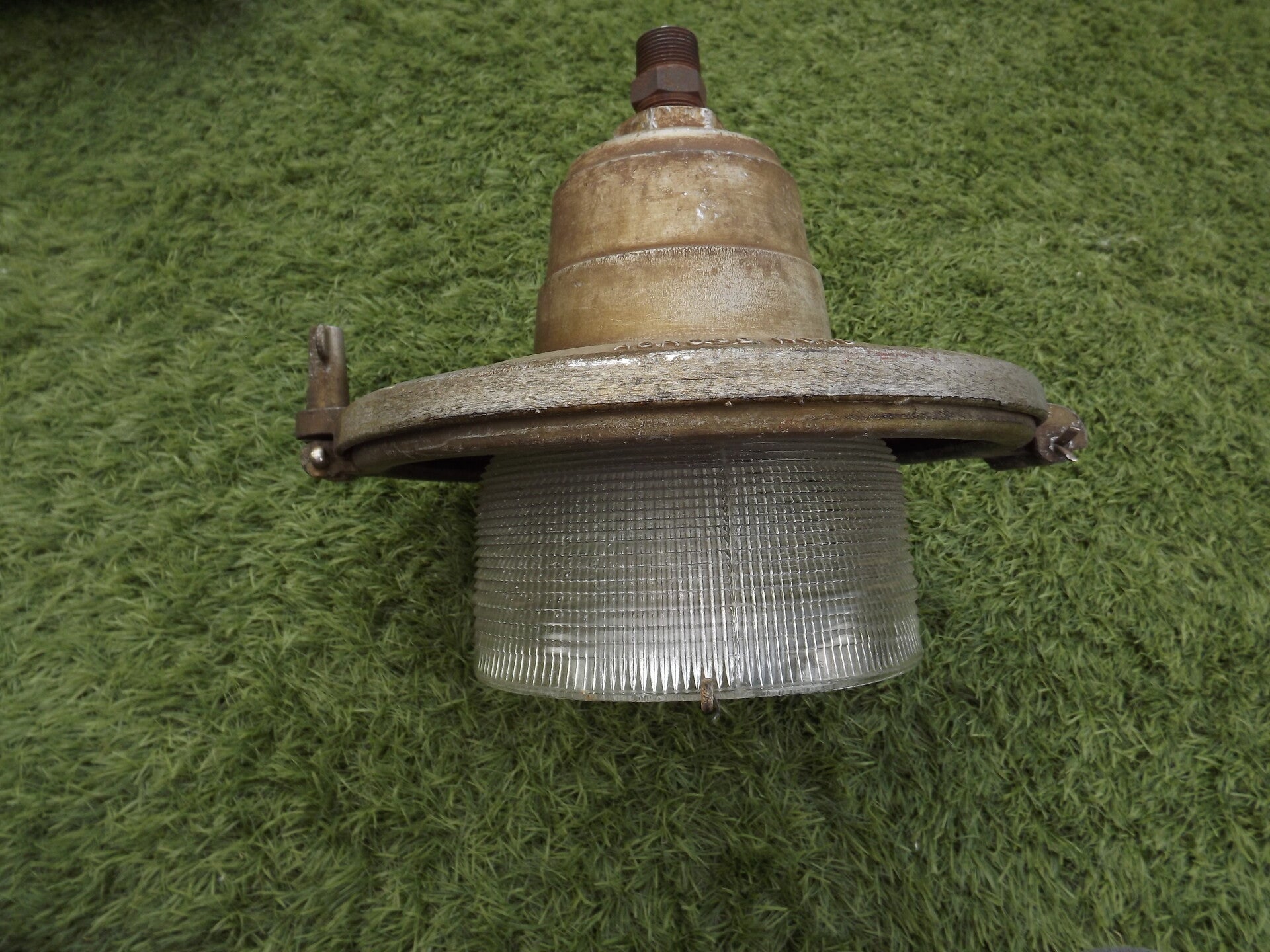

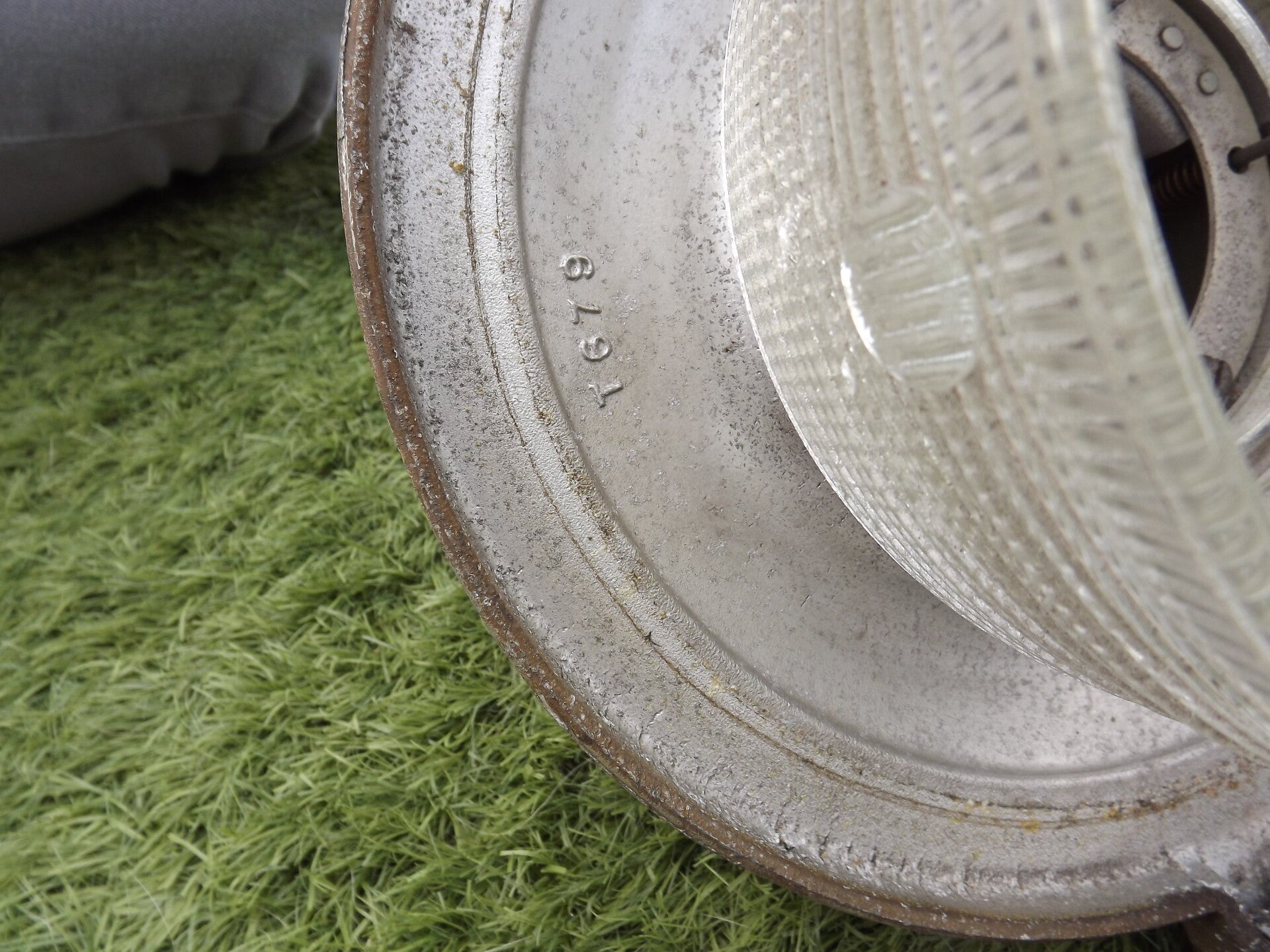
T679 is likely to be the part number of the body.

The lamp-position for this BTH lantern is set to 200W ES GLS.

Next up was this battle-scarred GEC Z8896, which possesses quite a unique feature inside.
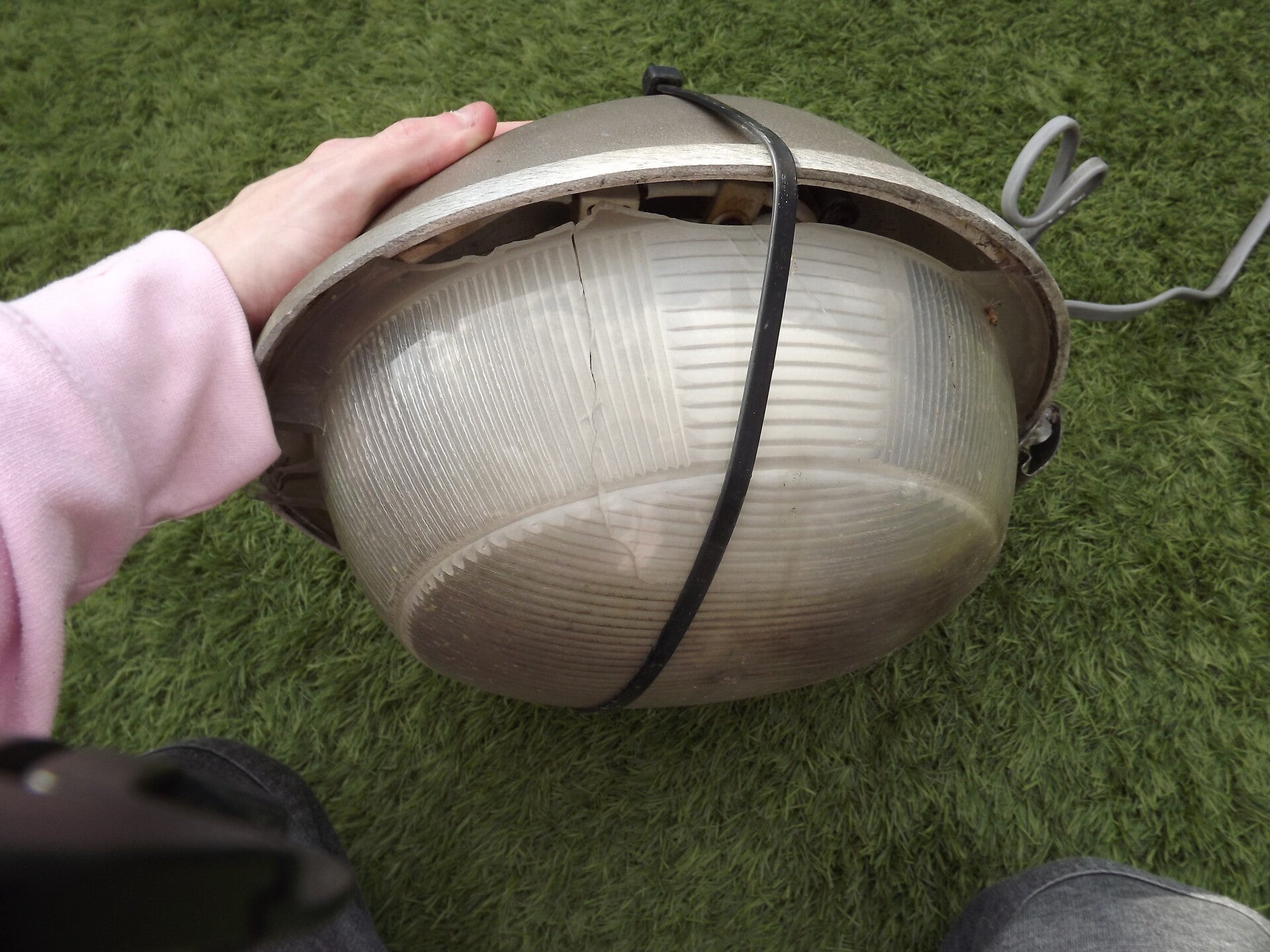

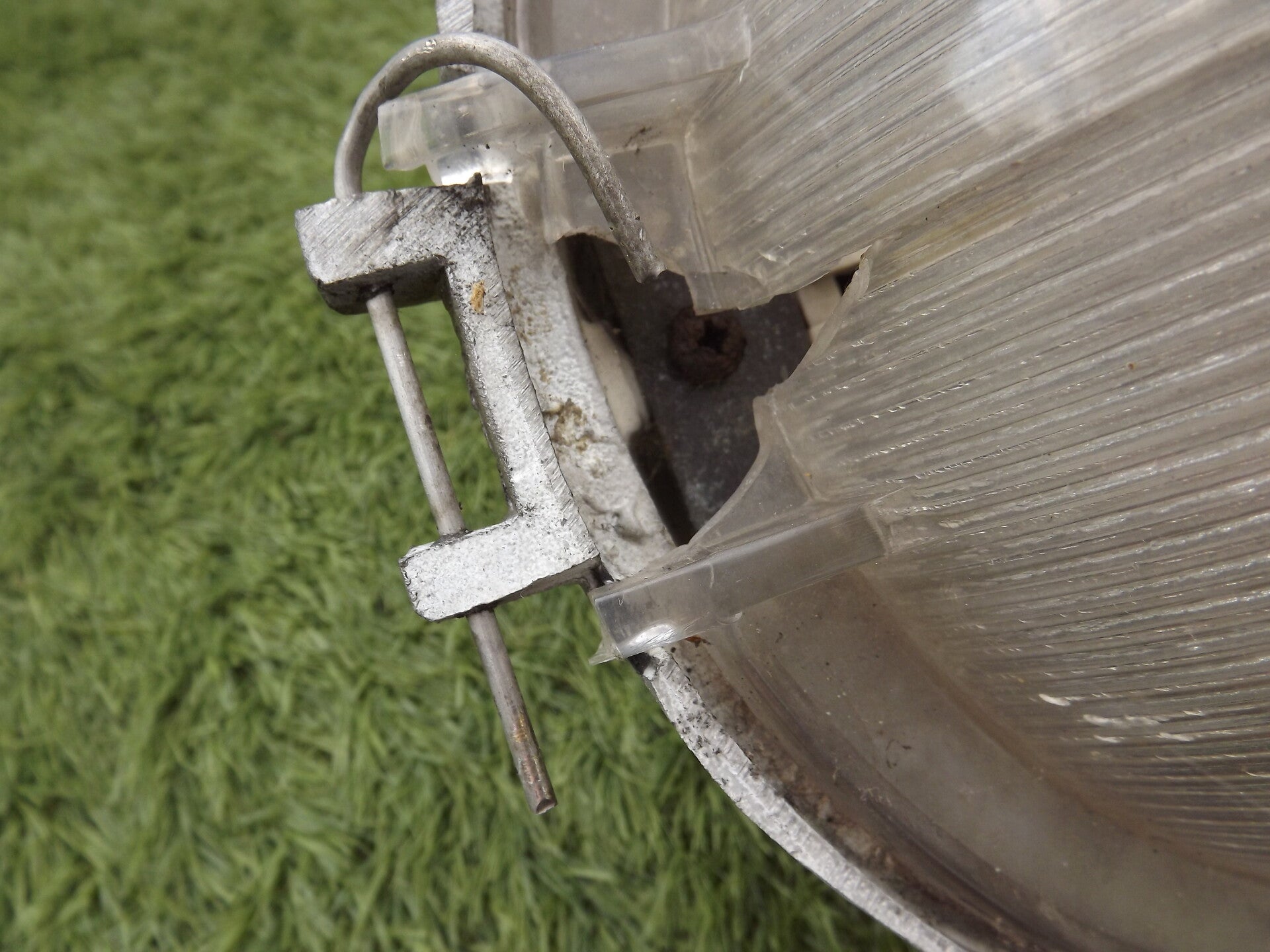
Accessing the internals isn't hard given the hinge is missing, but typically, the clip to undo the bowl is located at the spigot-end of the lantern.

This reveals the small heat shield, which is used to protect the base of the two-part photocell from the heat of the mercury lamp, which was 80W. This was, oddly, the only example with a heat shield, with the rest of the Z8896s in the same area not having one, instead having the undrilled screw positions for them.
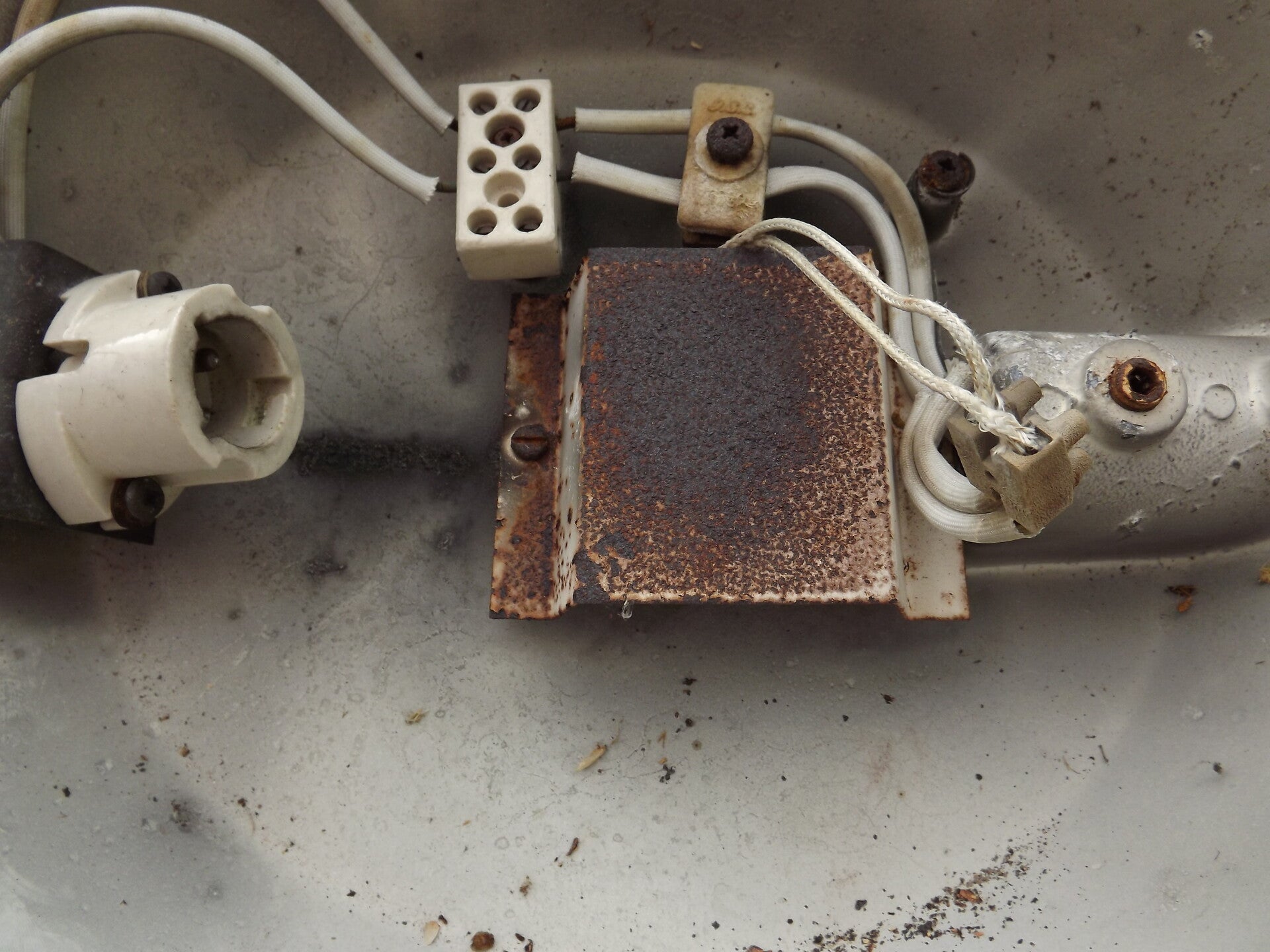

The photocell in question is a very rare Hortsmann T20 two-part photocell. Notice the outline of a cable-tie which would have supported the wounded bowl originally.


That was not the only Z8896 to be pictured that day; here is an excellent example that sat dormant for over twenty years before being rescued into a collection. Despite all of those uneventful years, the lantern still works. Click here to see images of the lantern working.


The lantern is fitted with an 80W MBF/U lamp, and still has the original ballast inside the wall box.


NOS lanterns can be a hard find nowadays, such as this NOS Urbis Evolo 2 with a light green paint finish.
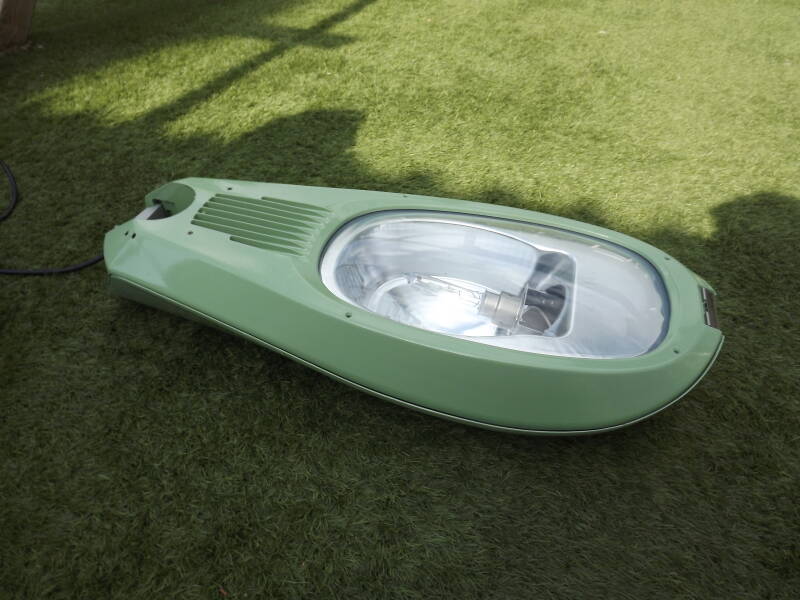
This lantern runs a 60W CPO-TW lamp, with the lamp-holder at the street-end of the lantern in a reversed optic.


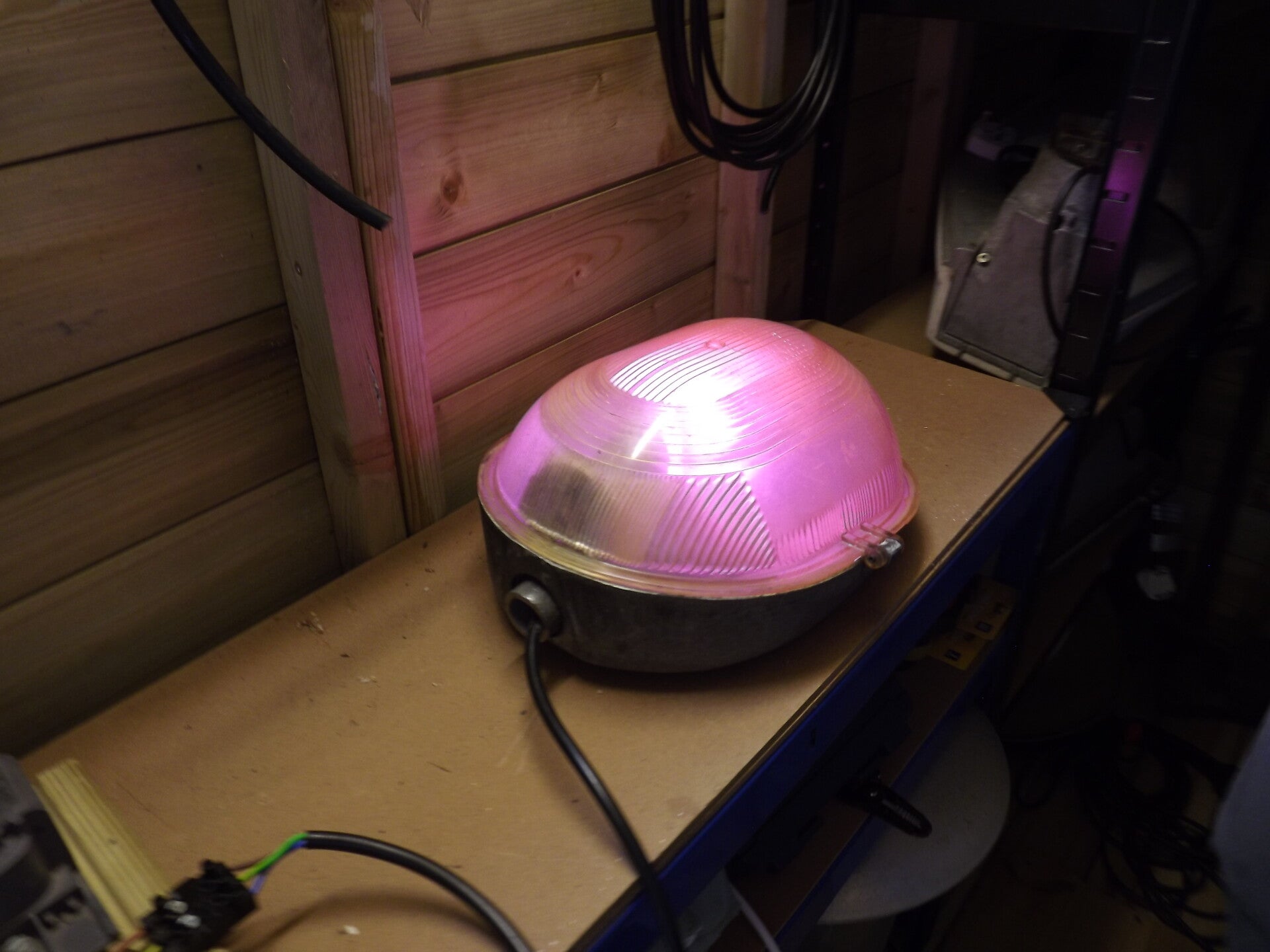
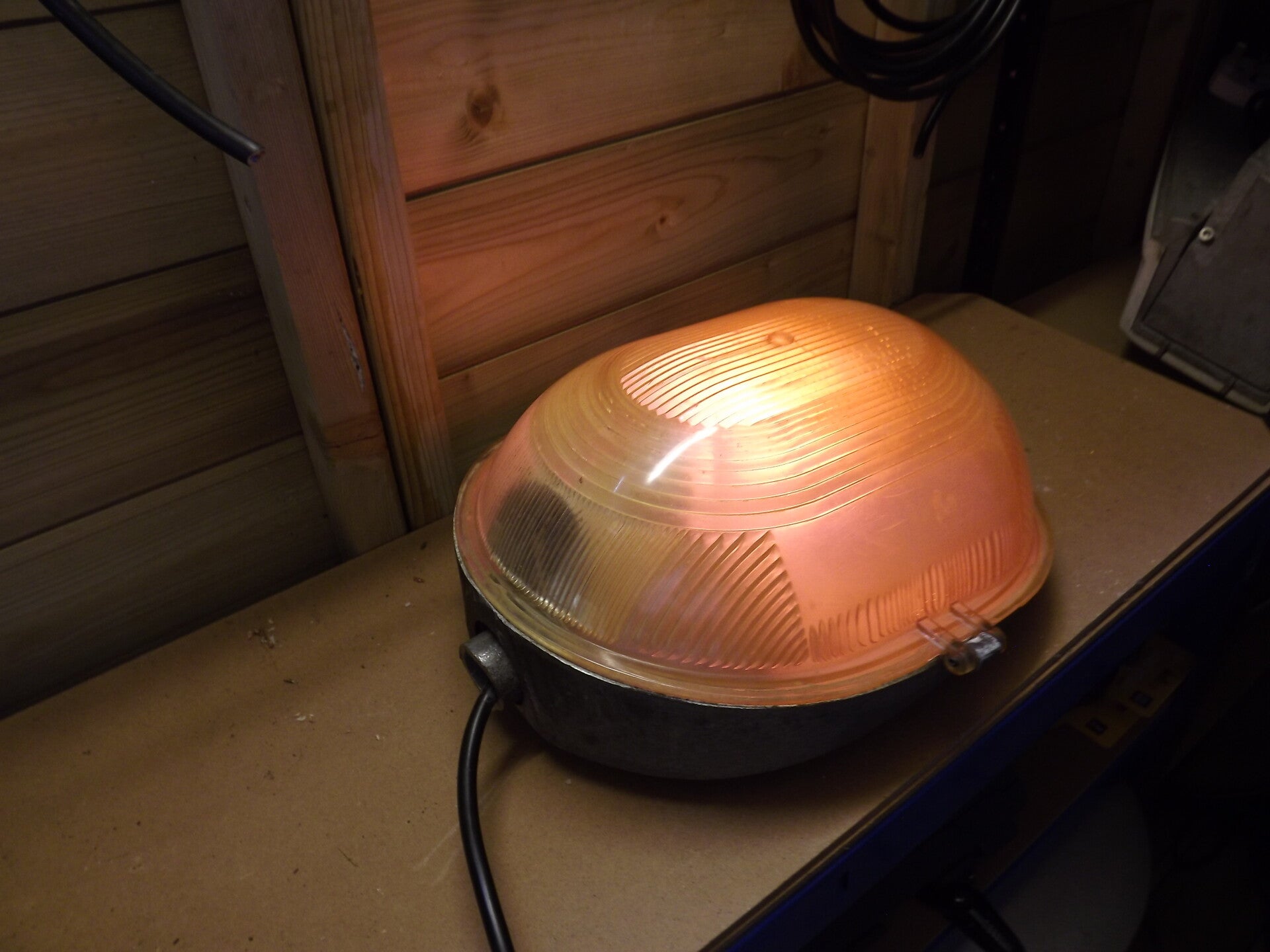
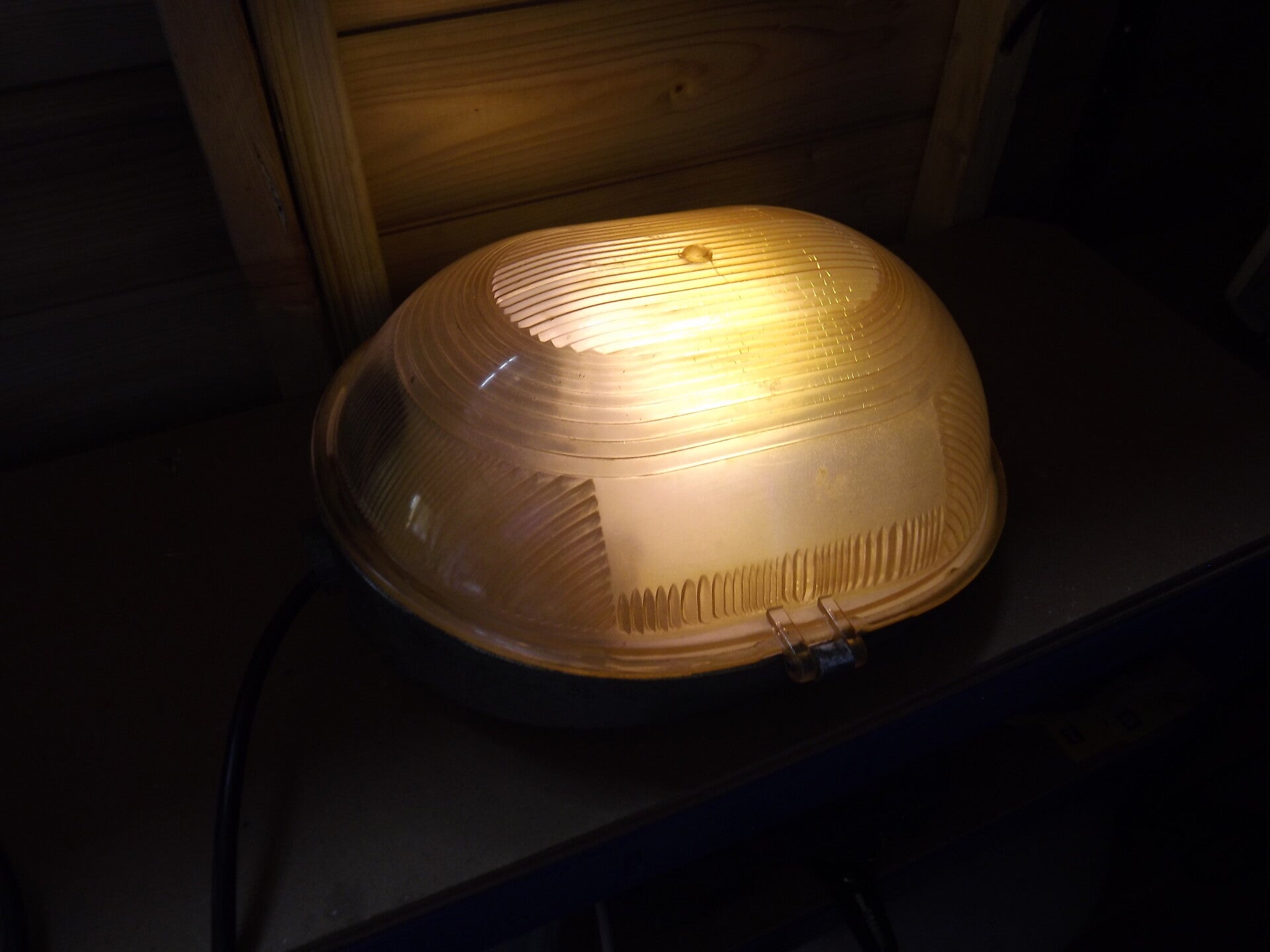
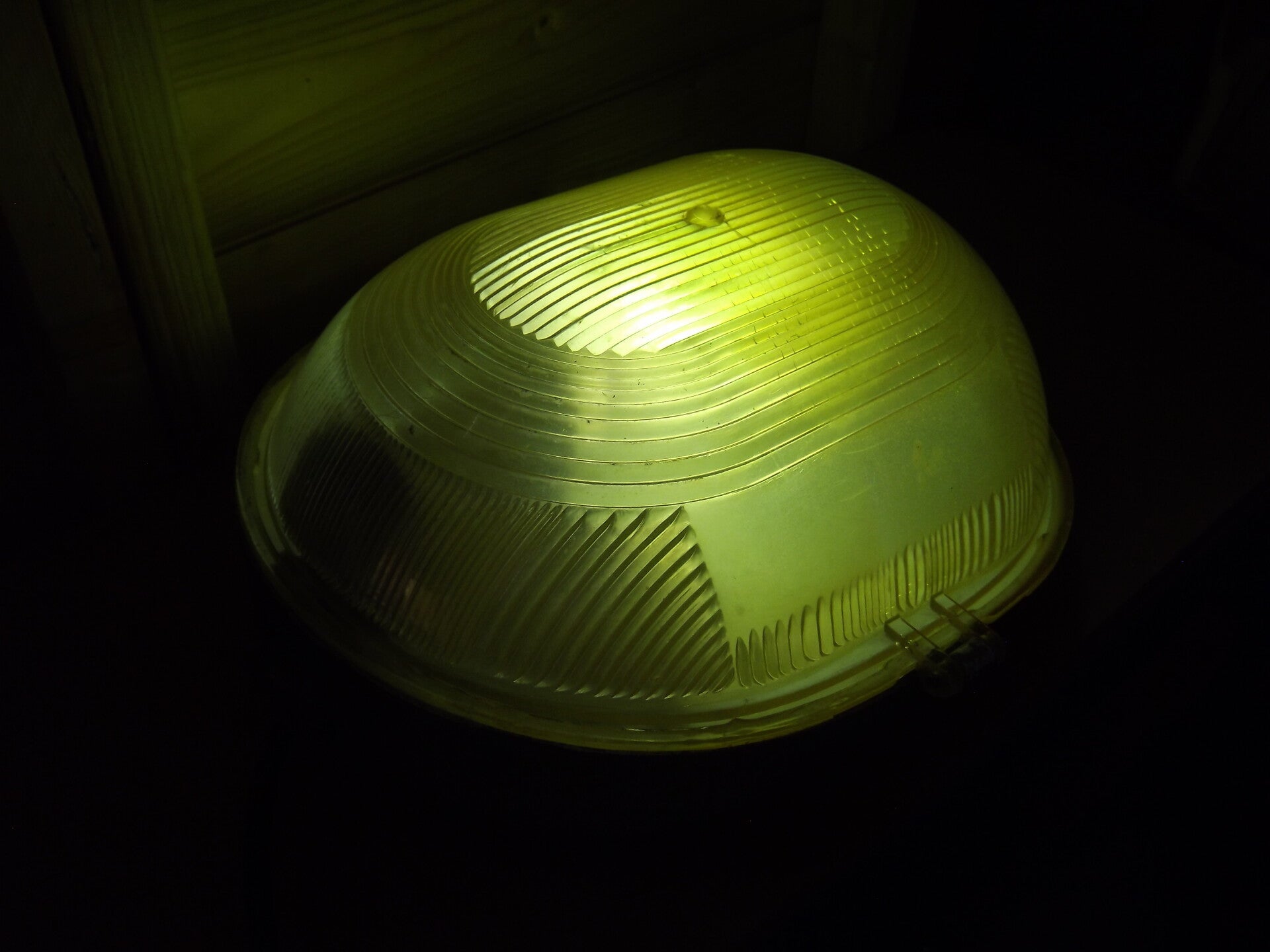
We have seen a few Z8896s so far, so its fair to also showcase one of its competitors - the REVO Diadem.
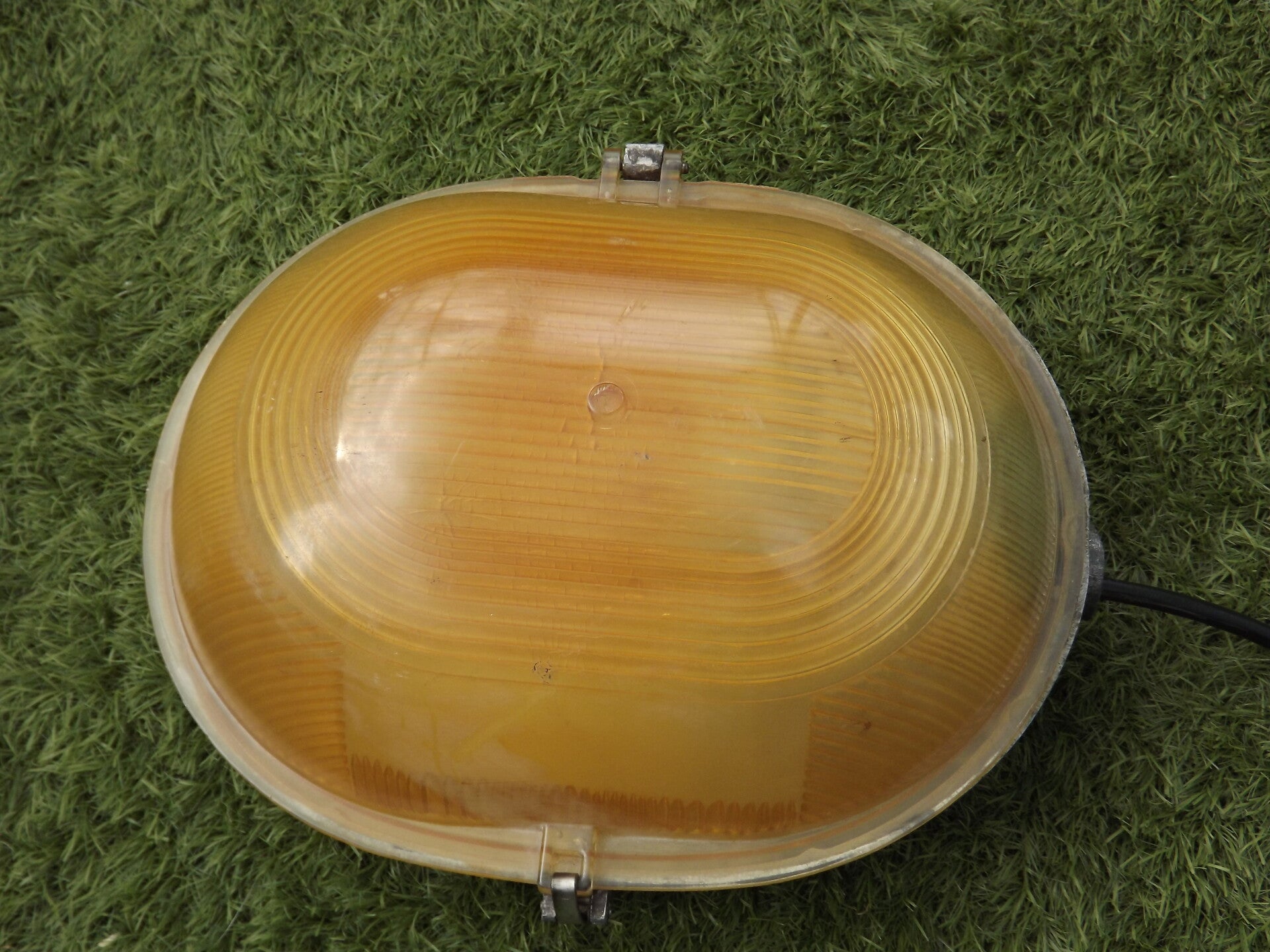
Fitted inside is an 80W mercury lamp. The Diadem is simple in construction - and much like the Z8896 - there isn't much to see inside.


It was given the opportunity to warm up.



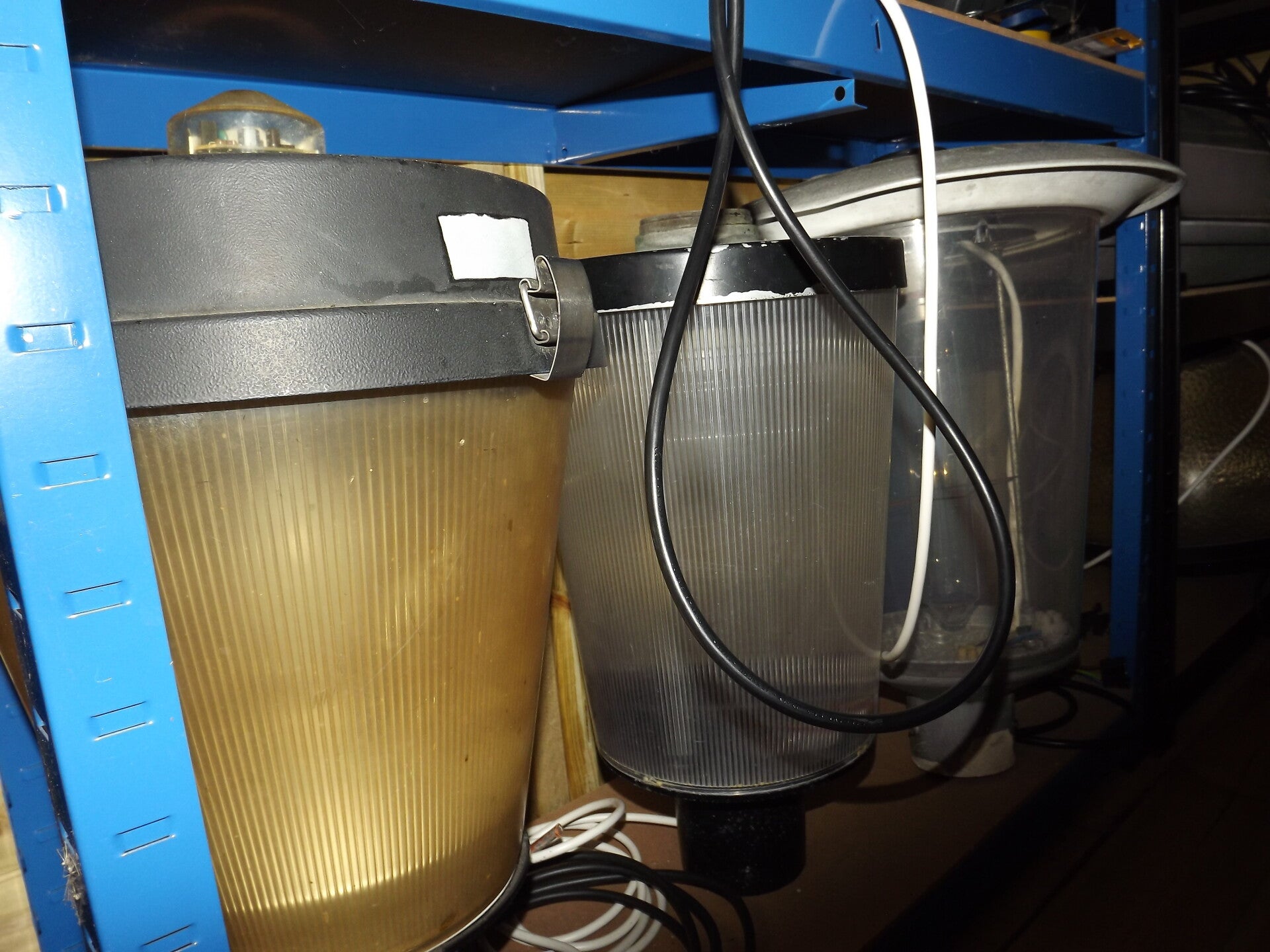
Three post-tops were observed on one of the shelves within the shed: A Siemens 70W SON PTBTS70N, a remote-geared GLS Thorn Gamma 6, and a 35W SOX Phosco P107.
A WRTL Arc and a GEC Turtle sit atop one of the shelves, but it is not a regular GEC Turtle! It has been carefully converted to run a 55W SOX lamp - and given the Turtle's massive lamp-compartment, I'm guessing this was an easy fit!
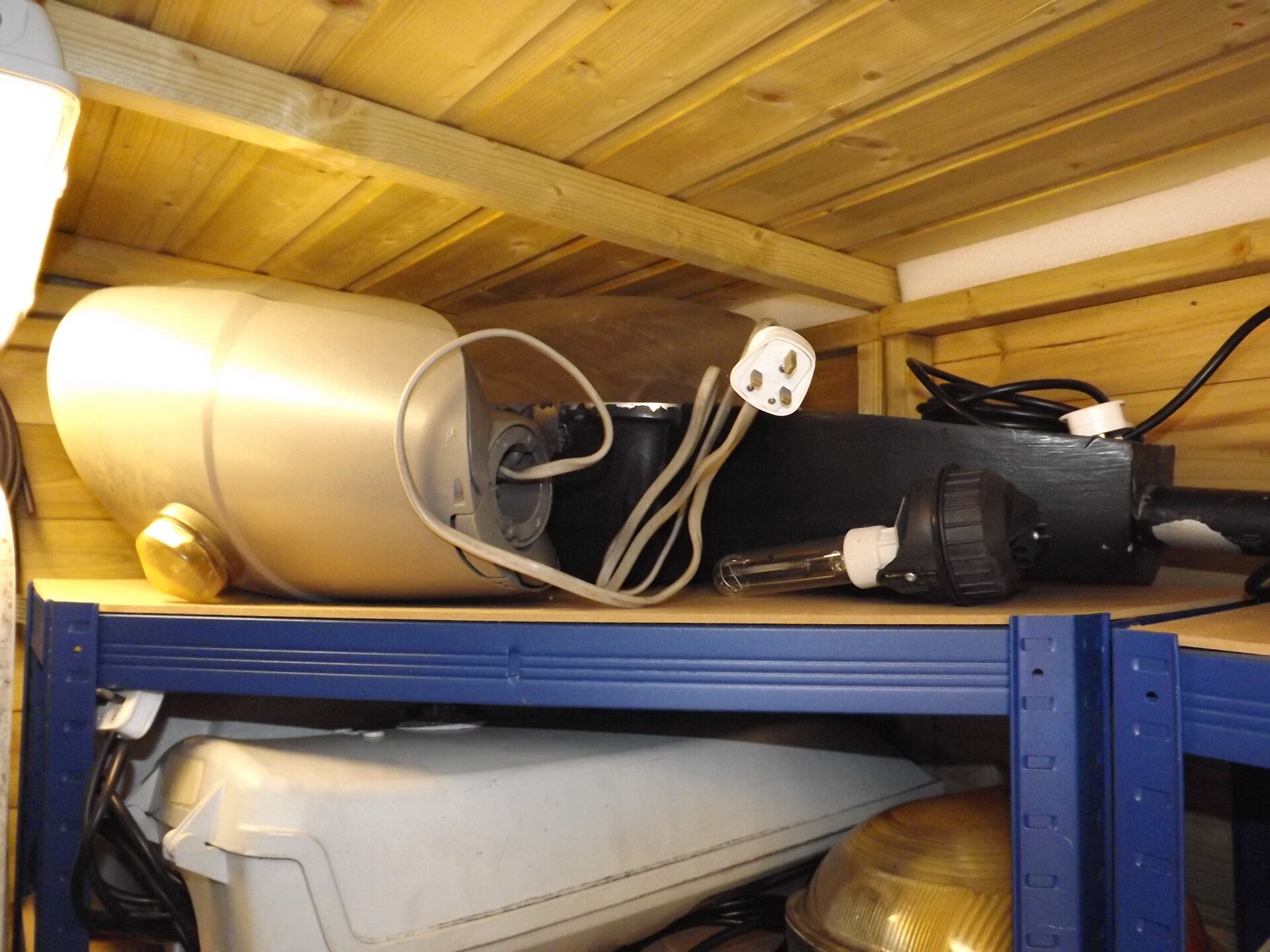
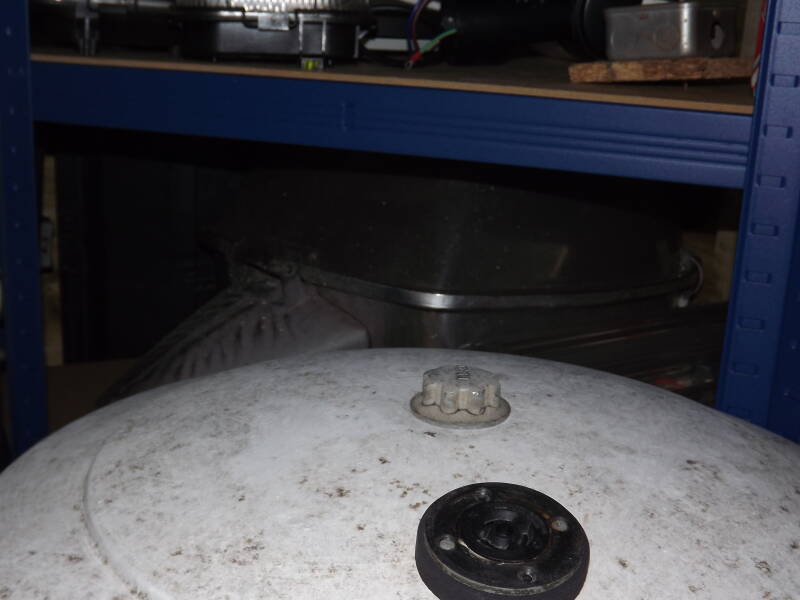
Another "Turtle" styled lantern was on one of the corner shelves, a Thorn Alpha 3.

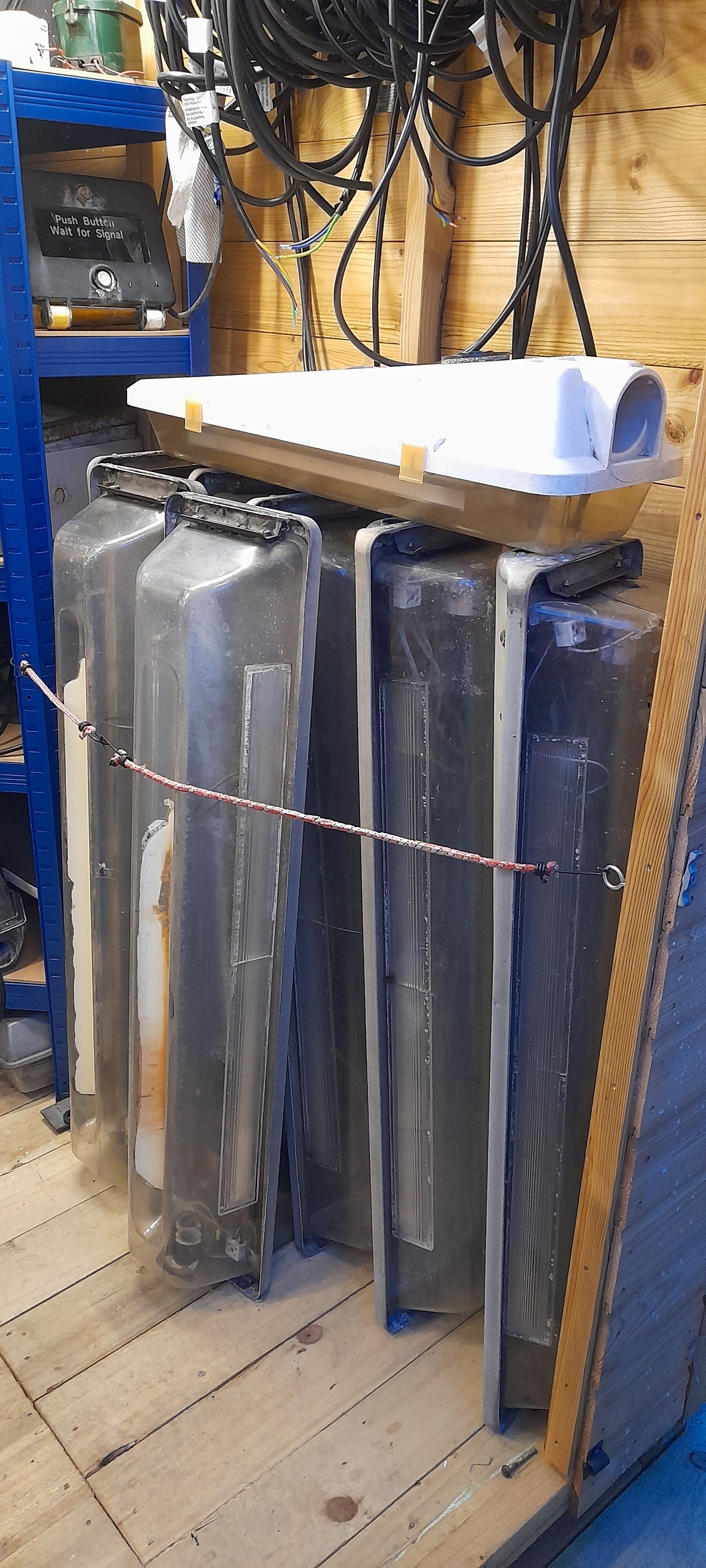
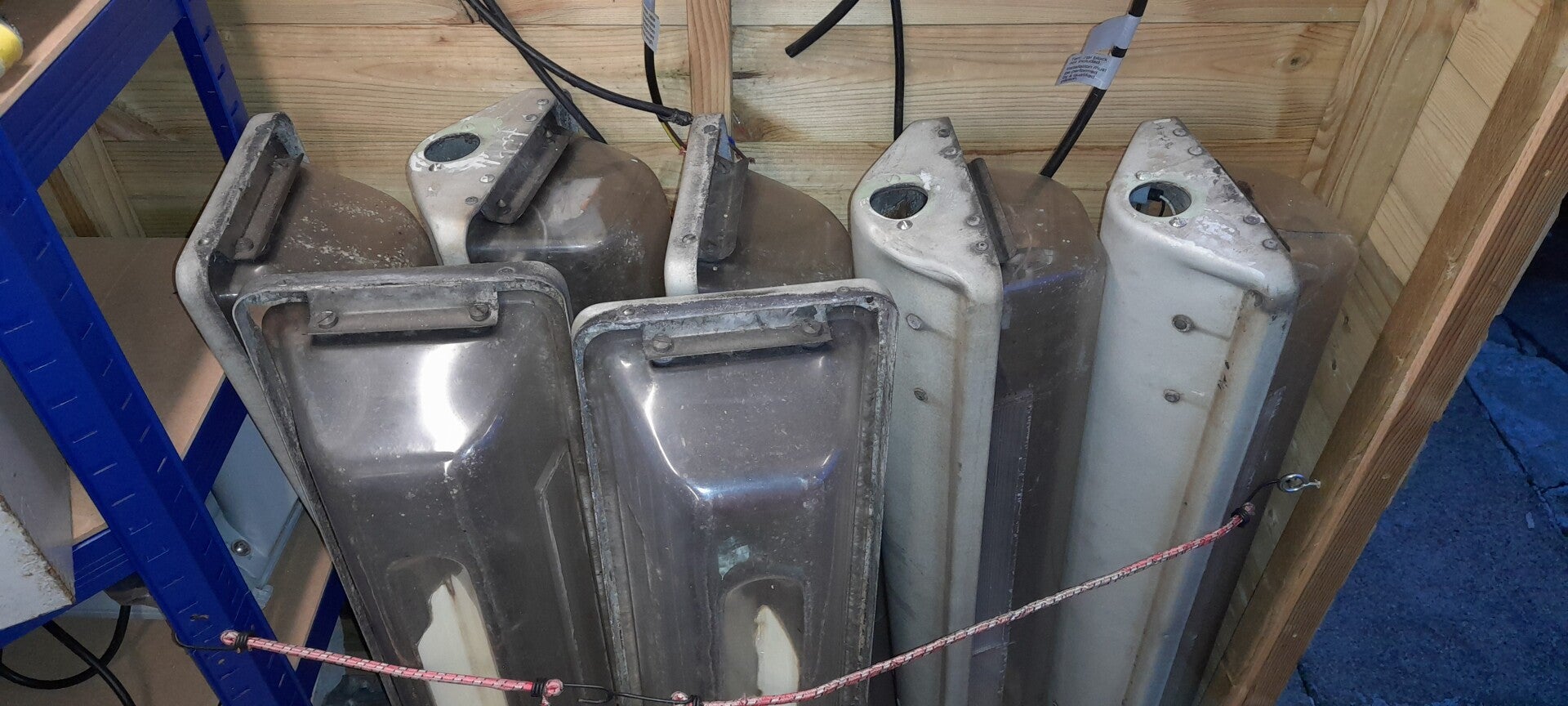
Also in the shed is a job-lot of seven REVO Hyperion Bs. Notice we have an imposter positioned on top! It hadn't struck me until now that the 2500 shares quite a few visual characteristics with the Hyperion B, despite being of absolutely no relation to it. Fundamentally, however, they are very different lanterns!
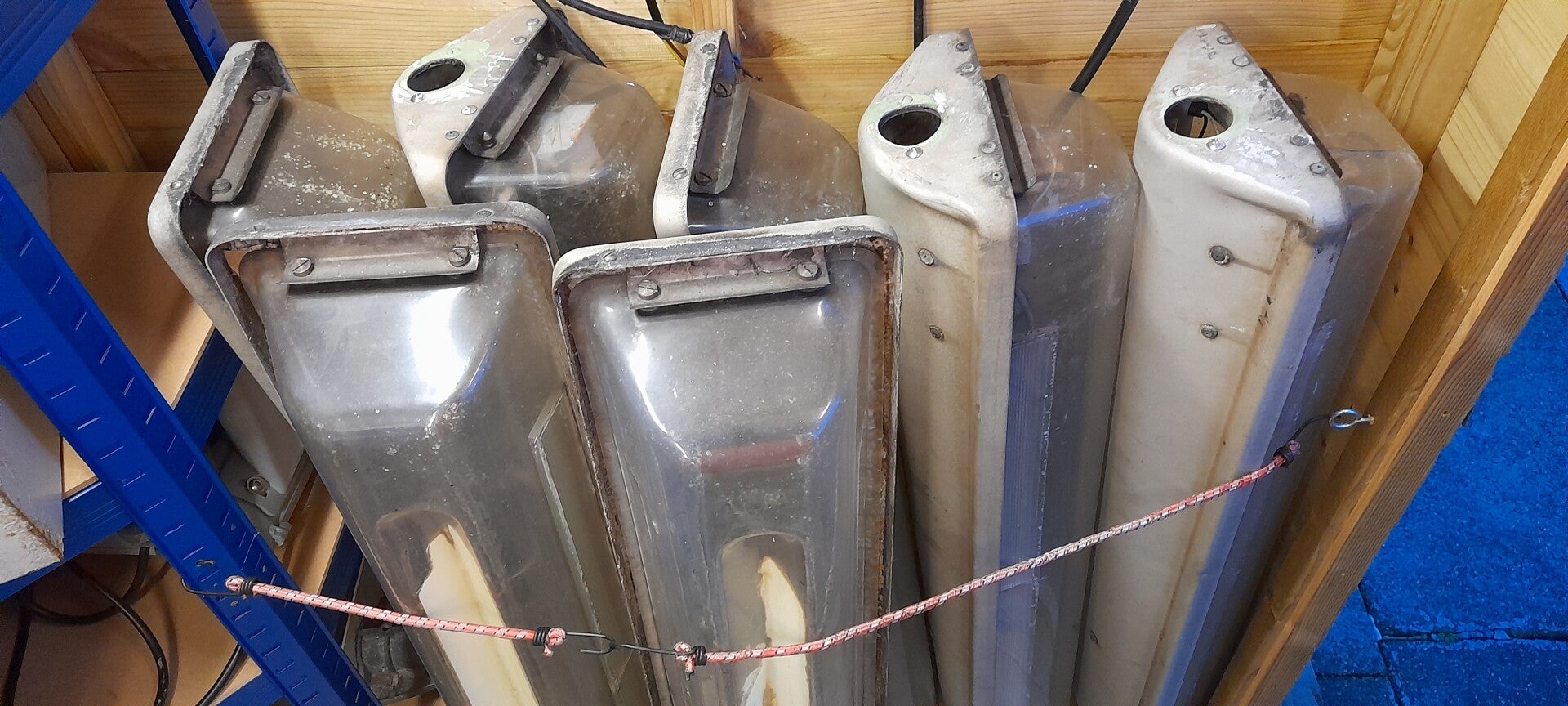
Below the outside canopy are were countless lanterns awaiting new homes, and a few permanent members of the collection.
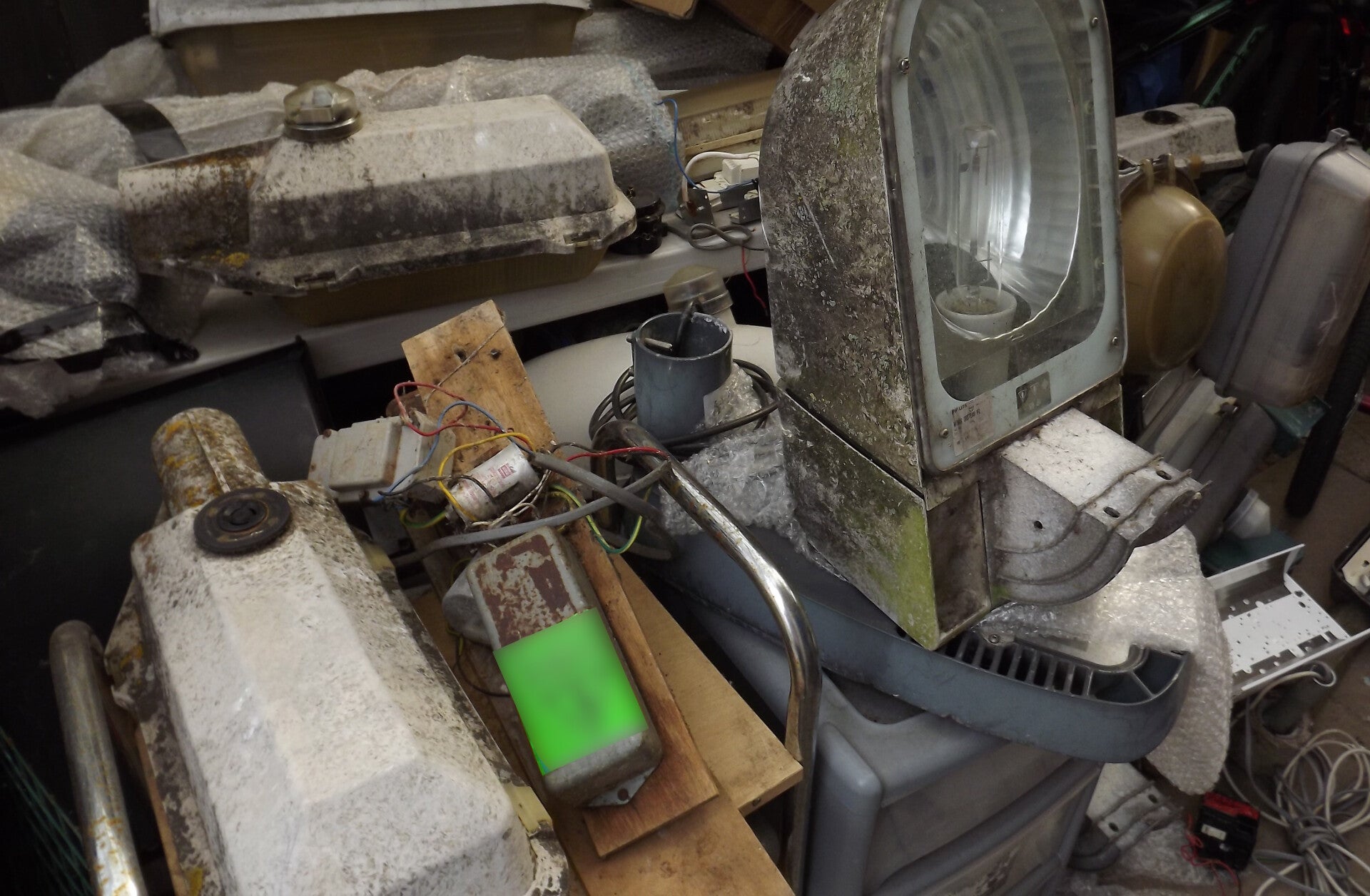
Inside of the house is a whole host of other lanterns. Atop one of the shelves is a Designplan Concourse, which was originally a NOS eBay purchase. It runs a 70W SON-T lamp, specifically a Lucalox made by GE in Hungary.

Another eBay purchase was this ESLA Bi-Multi 175° lantern for GLS lamps.
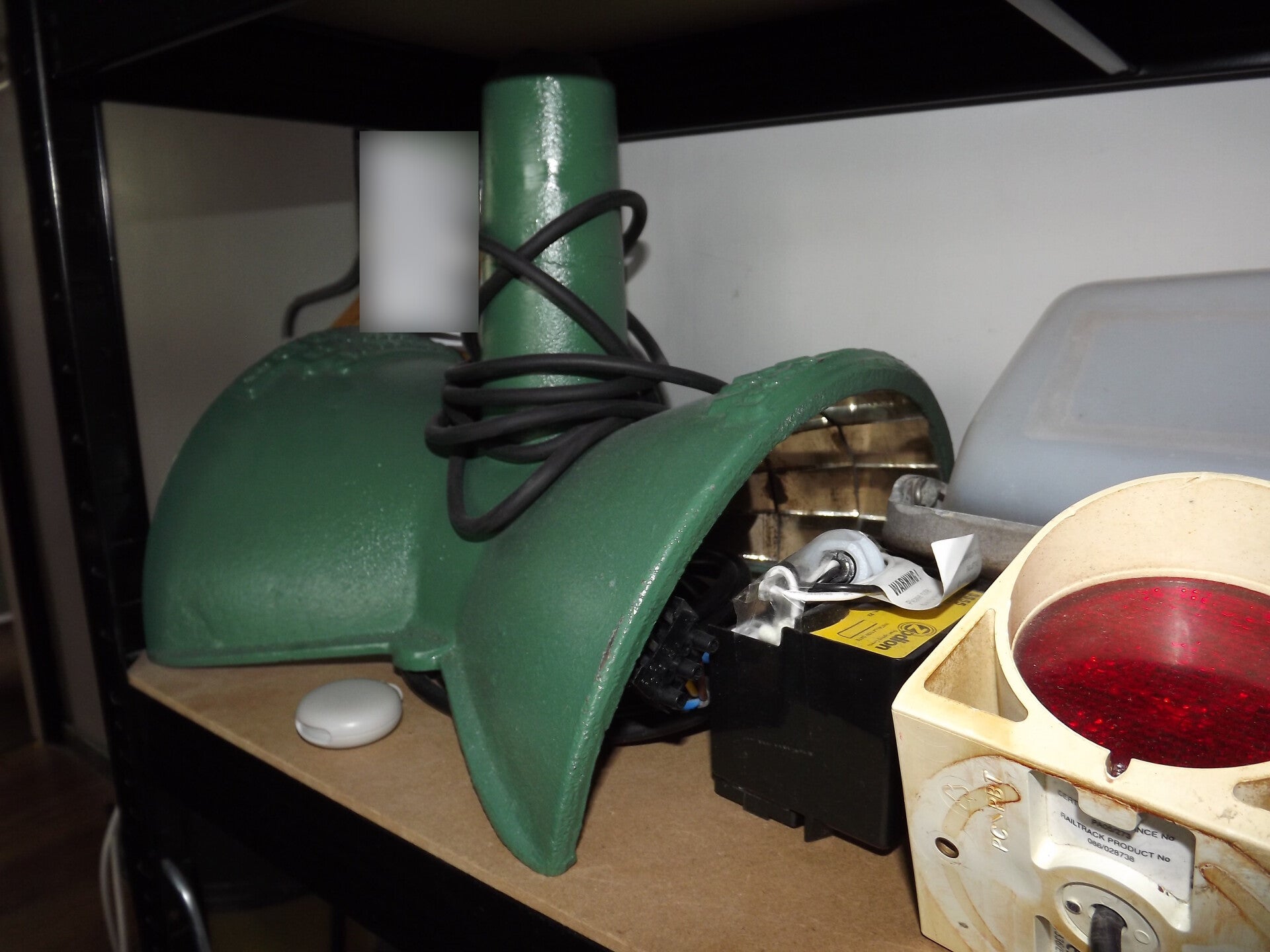

The mirrors on the ESLA are in good condition overall, as is the rest of the body, which appears to have been restored at some point in the recent past.
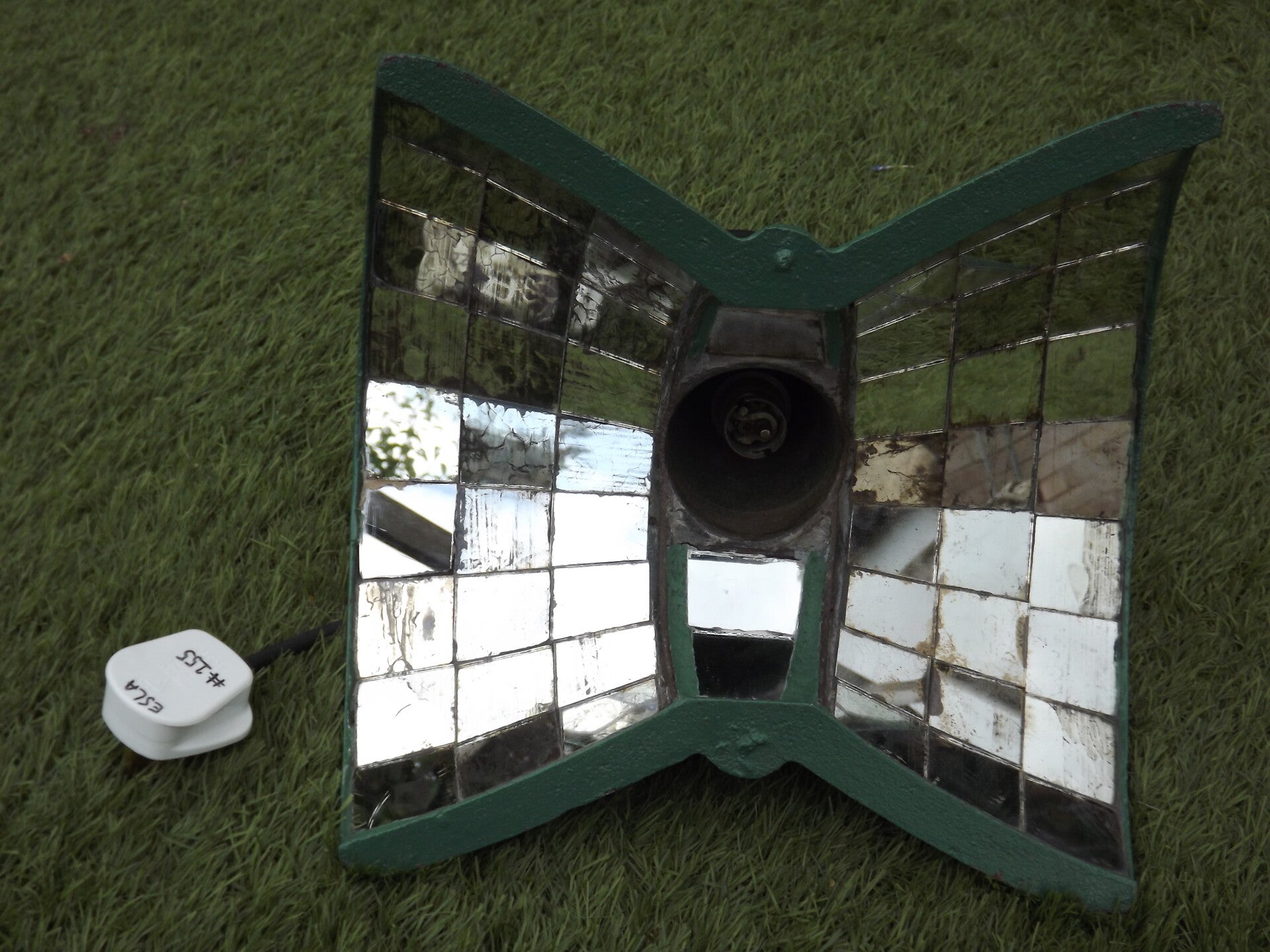

The ESLA lit with its Mazda 60W pearl tungsten filament lamp:

One of the shelves featured a true icon of street lighting, the Thorn Alpha 1 - this one running a 55W SOX lamp. It appears that the back of the bowl has been painted black to avoid glare being cast behind, where a house presumably was.

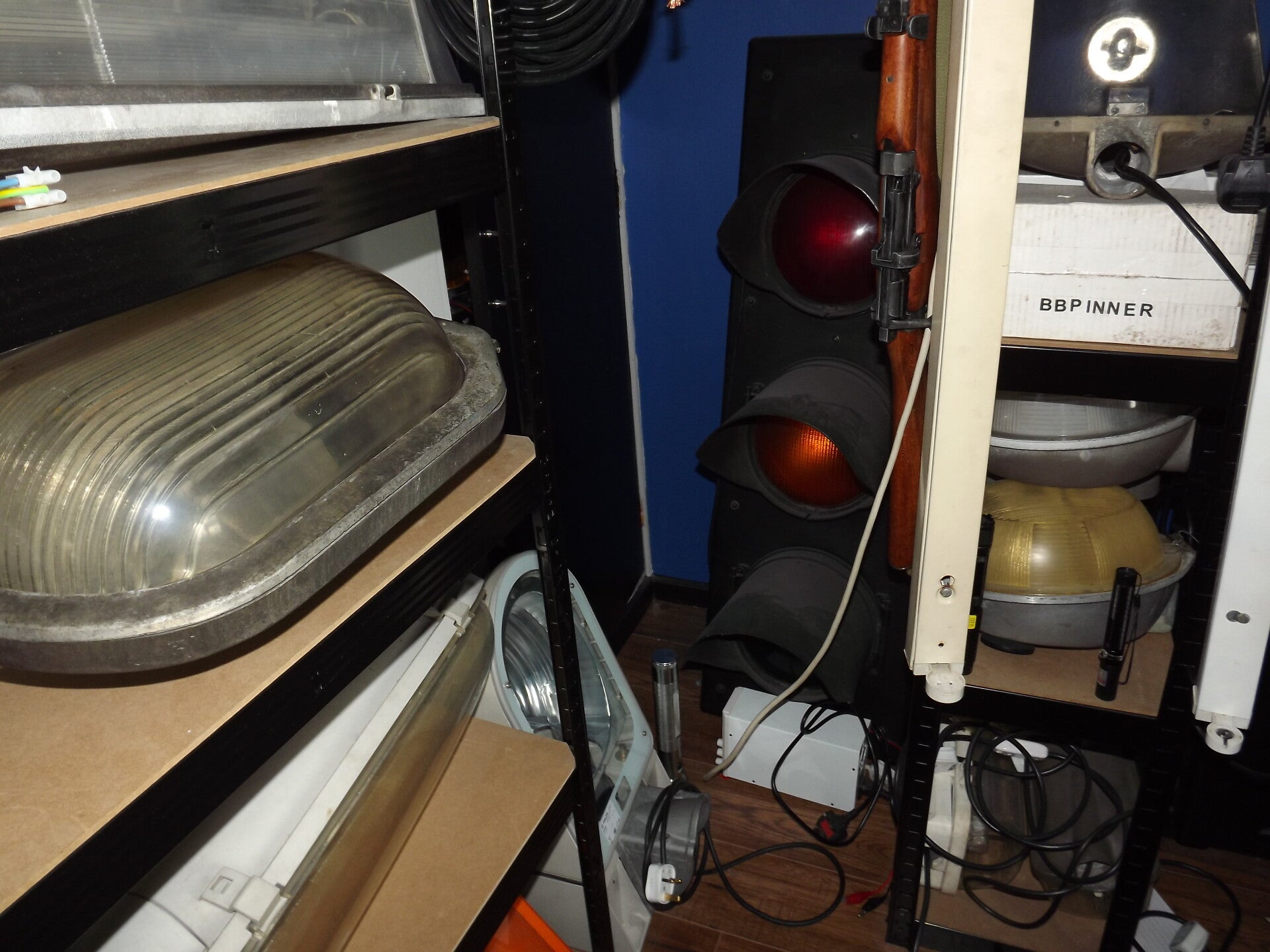
There are a few lanterns to note in this picture. First, the REVO Horizon to the left - one of two in his collection. There are a few GEC Z8896s to the right-hand-side of the image, as well as a Plessey Automation Mellor traffic signal just-behind the shelves. The Trafficvision visible is a near-NOS SGS305 that barely saw any use.
The rifle to the right of the signal is just a replica, and was at the time awaiting a display board.

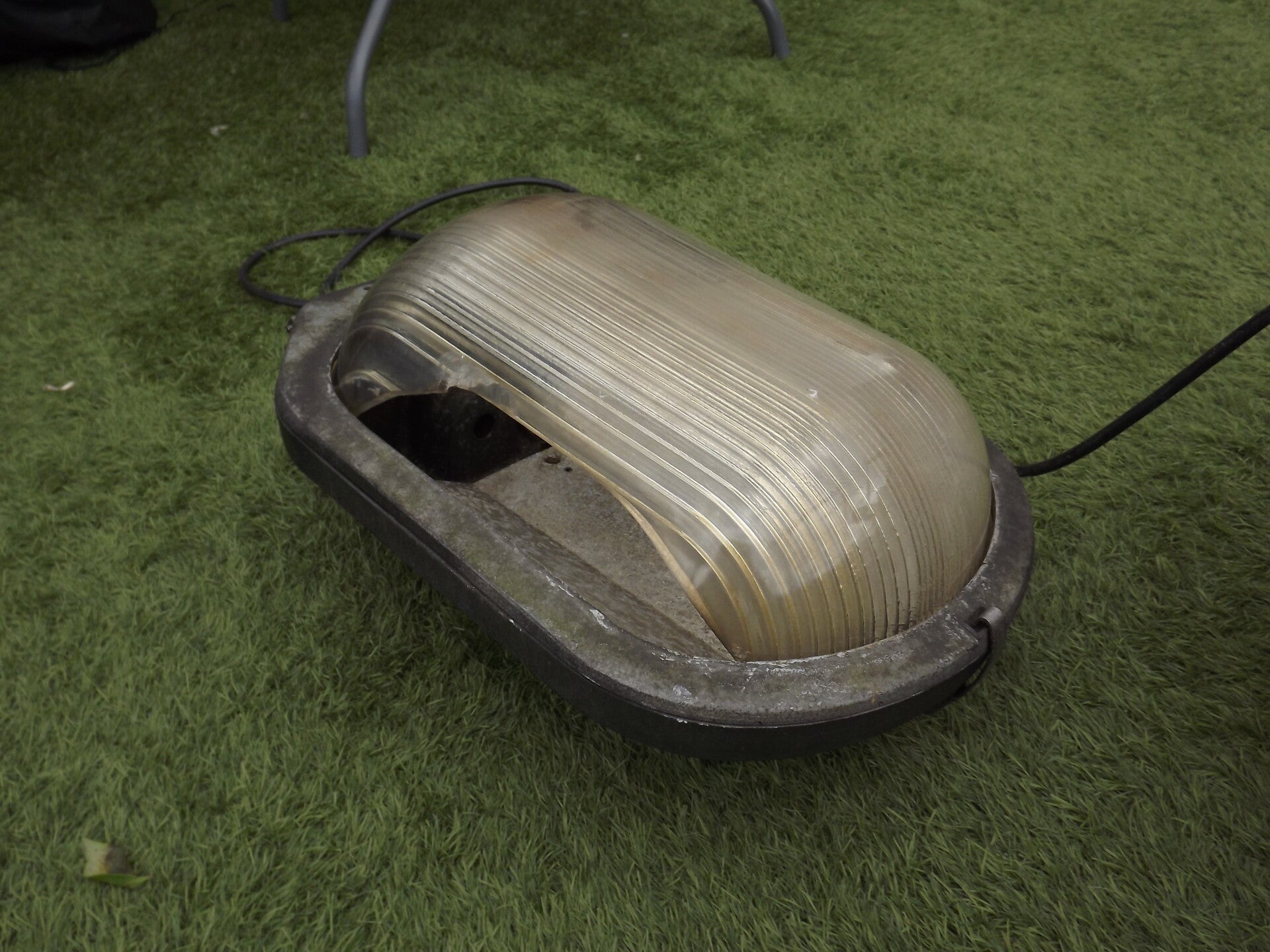
The REVO Horizon was bought outside for better photographs.

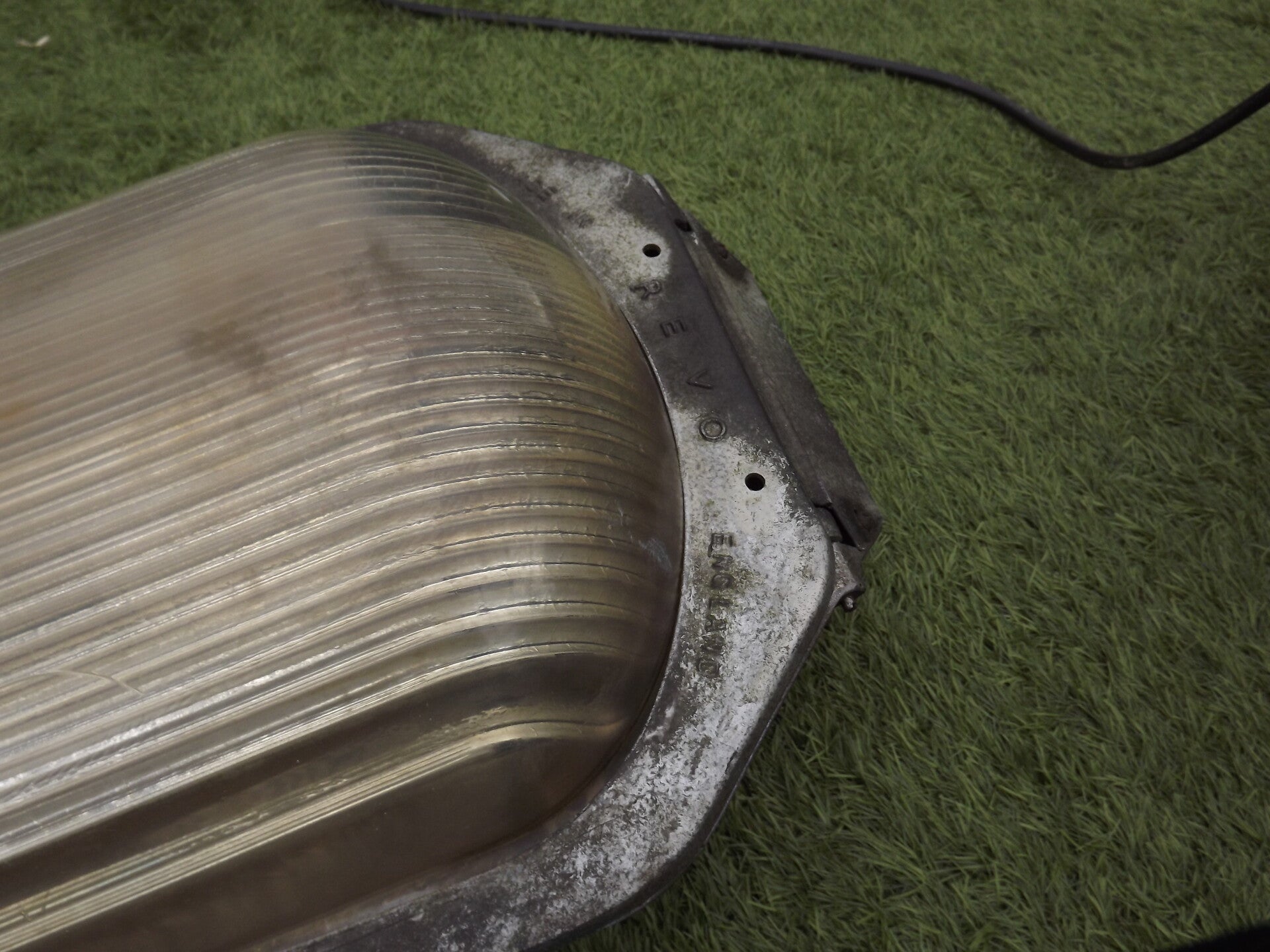
"REVO - Made in England" is cast onto the bowl ring.

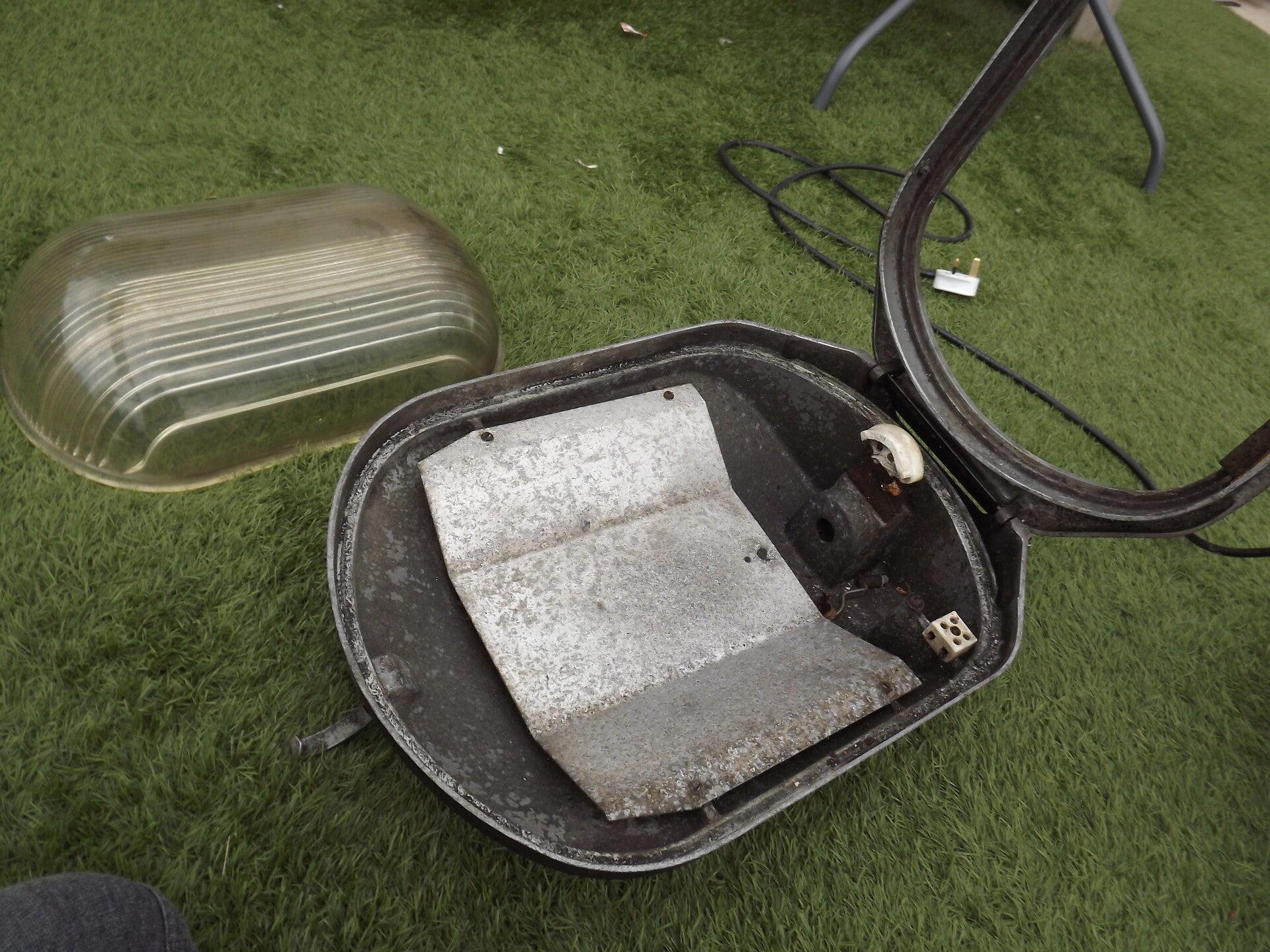
The remains of an E40 lamp-holder are still within the lantern, as is a hook-shaped lamp-support.

The glass bowl simply sits within the ring, and is then secured by two metal plates. One of these is missing, but even if it were there, the missing bowl section means it wouldn't hold.
Also photographed was this restored 1980s Thorn Gamma 6 for a 35W SOX (or in this case a 26W SOX-E) lamp. Removing the canopy and cover exposes an "M88" code on the capacitor - which would date the gear to about 1988. The wiring of this lantern is very neat, I hadn't realised it was originally a SON lantern before its conversion!

